Why Are Stainless Steel Bath Mixers Replacing Brass Fixtures?
A hotel group renovating a property in a market with strict lead-content rules will run into a question that a decade ago barely came up in a faucet order: what is the fixture actually made of, and can the supplier prove it? That question is a large part of why the Single Handle Stainless Steel Bath Mixer category has moved from a niche specification into a standard line item on hospitality and green-building procurement lists, alongside the more familiar brass options.
The Regulatory Driver Behind the Shift
Brass faucet bodies can meet lead-content limits when the alloy is controlled correctly, but proving that compliance to a buyer in a market with tightening regulations means ongoing testing and documentation on every batch. A Single Handle Stainless Steel Bath Mixer sidesteps a category of that testing altogether, since 304 or 316 grade stainless steel doesn't carry the content question that brass alloys do. For a procurement team managing supplier compliance across multiple product categories, removing one recurring test requirement is a real reduction in paperwork, not just a marketing point.
Where the Demand Is Coming From
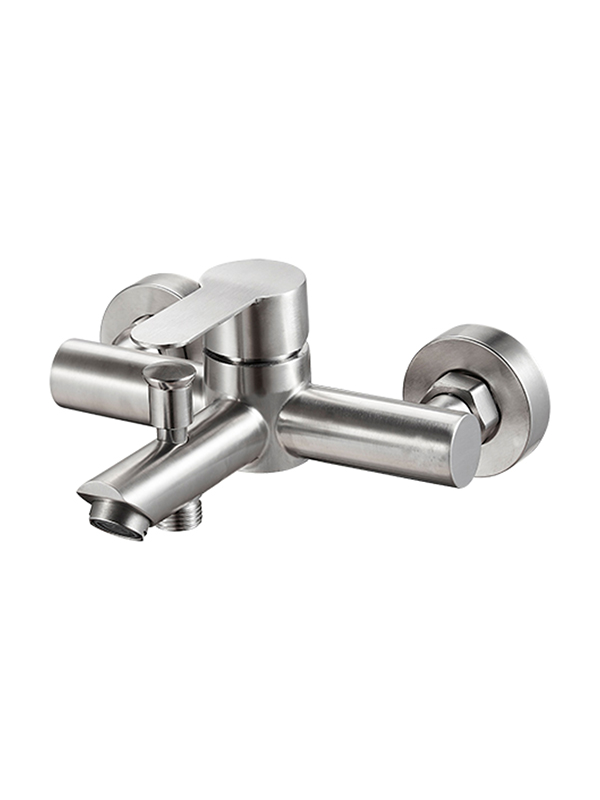
Hospitality groups pursuing green building certifications — where plumbing fixture material can factor into a project's sustainability scoring — are one clear source of demand. Apartment developers in markets with newer plumbing codes are another, since some jurisdictions have moved toward stricter lead-free requirements for fixtures in direct contact with drinking or bathing water. Zhendi's Single Handle Stainless Steel Bath Mixer is specified into both types of projects, often by buyers who are replacing a brass product they previously imported and are now moving away from for exactly this compliance reason.
Stainless Steel vs Brass: What Actually Changes
| Factor | Stainless Steel Bath Mixer | Brass Bath Mixer |
|---|---|---|
| Lead-content testing burden | Minimal — alloy doesn't carry content concerns | Ongoing batch testing required |
| Corrosion resistance | Strong in humid or coastal environments | Depends on plating quality and maintenance |
| Weight | Heavier per unit | Lighter |
| Surface finish options | Brushed, polished | Chrome, brushed nickel, matte black |
| Typical buyer driver | Compliance and sustainability scoring | Familiarity, wider finish variety |
| Unit cost at scale | Generally higher raw material cost | Generally lower raw material cost |
What Doesn't Change: Installation and Operation
The single-lever operation on this Single Handle Stainless Steel Bath Mixer is unrelated to the material question — a single cartridge controls both flow and temperature, which is the same mechanism buyers are already familiar with from single handle brass mixers. This matters for procurement teams evaluating the switch, because it means the material change doesn't require retraining installation crews or adjusting the plumbing rough-in on site. The learning curve for switching a Single Handle Stainless Steel Bath Mixer into an existing product line sits almost entirely on the sourcing and compliance side, not the installation side.
Manufacturing Considerations Specific to Stainless Steel
Stainless steel is harder to machine than brass, which changes tooling requirements on the production floor and is part of why unit cost tends to run higher. Zhendi sources coil stock against supplier certificates confirming grade before forming begins, and welded joints on the mixer body go through additional inspection compared to a cast brass body, since weld quality on stainless steel construction is a different failure mode than the casting defects a brass QC process is built to catch. Buyers sourcing a Single Handle Stainless Steel Bath Mixer for a new market should ask which grade is used and request the mill certificate for that specific order, rather than accepting a general product description.
Where This Trend Is Likely Heading for Buyers
Procurement teams that haven't yet added a Single Handle Stainless Steel Bath Mixer option to their supplier catalog are increasingly fielding the compliance question from hotel chains and developers directly, which suggests the category is shifting from optional to expected in markets with active regulation enforcement. Buyers evaluating a supplier switch should request finish samples and the relevant material certification before committing volume, since the certification paperwork is the part of this trend that actually protects the buyer's own compliance position downstream.