A floor drain sized at 10x10cm sits in a common middle ground for bathroom and utility installations, compact enough for tight renovation spaces yet still large enough to move water away without becoming a bottleneck during heavy use. Buyers specifying a 10x10cm floor drain should understand what this specific size trades off against both larger and smaller alternatives before assuming one size fits every installation. A 10x10cm floor drain quoted without reference to actual water volume or usage pattern can end up mismatched to a project even when the physical dimensions fit the available floor space perfectly.
Why This Size Suits Compact Bathroom Renovations
A 10x10cm floor drain fits installations where floor space is limited, such as small bathroom renovations or utility areas where a larger drain body simply won't fit the available tile layout. This size still provides enough surface opening to handle typical shower and floor-washing water volumes without the drain becoming a limiting factor during normal use, though buyers should confirm expected water volume for their specific application before assuming this size covers every use case, since higher-volume commercial applications may need a larger drain body regardless of available floor space.
How Water Seal Design Prevents Sewer Odor
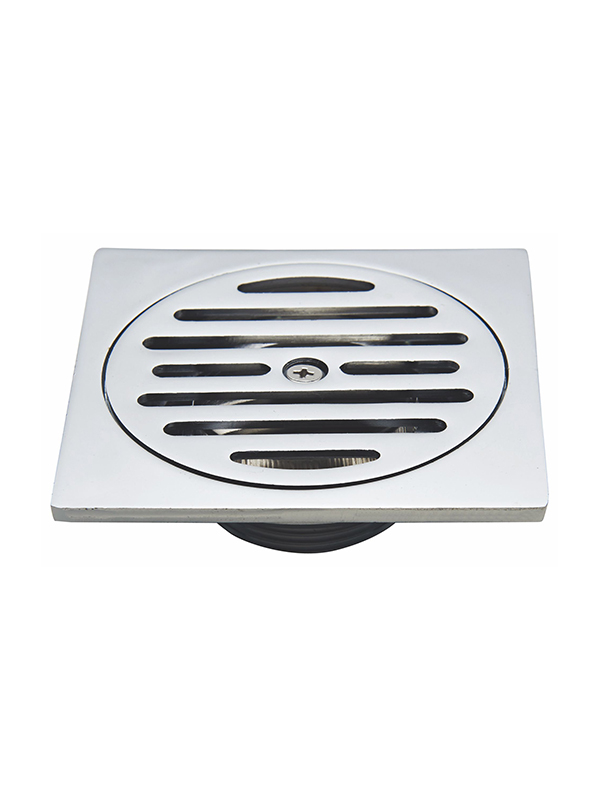
Water seal design inside a 10x10cm floor drain maintains a small standing water barrier that blocks sewer gas from traveling back up through the drain into the room, a function that matters as much for a compact unit as it does for a larger drain body. The water seal depth needs to be sufficient to resist evaporation between uses, since a drain that goes dry during periods of infrequent use loses its odor barrier regardless of how well the mechanism was designed. Buyers should confirm water seal depth specifications for their specific climate and expected usage frequency, since drier climates and less frequently used drains both increase the risk of the seal evaporating faster than in continuously humid, frequently used installations.
Anti-Odor Core Mechanisms Beyond the Water Seal
Many floor drains in this category add an anti-odor core, a secondary mechanism working alongside the water seal to provide backup odor protection if the standing water barrier evaporates or drains down during extended non-use. This secondary protection matters specifically for vacation properties, guest bathrooms, or seasonal facilities where a drain might sit unused for extended stretches between occupancy. Buyers specifying drains for these lower-frequency-use applications should prioritize models with a documented secondary anti-odor mechanism rather than relying on water seal alone, since water seal performance degrades predictably during exactly the kind of extended non-use these applications involve.
Comparing Floor Drain Sizes and Typical Applications
|
Drain Size |
Typical Flow Capacity |
Suited For |
|
Smaller (under 10x10cm) |
Lower |
Tight spaces, light-duty residential use |
|
10x10cm |
Moderate |
Standard residential bathrooms, compact renovations |
|
Larger (15x15cm and above) |
Higher |
Commercial bathrooms, high-volume shower areas |
Material Choice Between Brass and Stainless Steel
Brass or stainless steel construction represents the two common material choices for this floor drain category, with brass offering strong corrosion resistance and a traditional appearance while stainless steel provides comparable durability with a more contemporary finish that some buyers specify for modern bathroom design projects. Buyers should confirm which material a specific drain model uses before finalizing an order, since the two materials can carry different pricing and lead times even when a supplier's catalog lists them under a single product line without clearly separating the two options.
Grate Pattern and Cleaning Access
The visible grate covering a 10x10cm floor drain affects both water flow rate and how easily hair and debris get trapped before reaching the internal trap mechanism, with finer grate patterns catching more debris but potentially reducing flow rate compared to a more open pattern. Buyers should weigh this trade-off against expected use conditions, since a bathroom used primarily by people with long hair benefits from a finer grate that simplifies cleaning, while a utility area with minimal debris risk may perform better with a more open pattern that maximizes flow capacity. Requesting a sample grate for the specific 10x10cm floor drain model under consideration lets buyers assess flow-versus-debris trade-offs directly rather than relying on a supplier's general description of the grate pattern.