In the functional heart of any kitchen or bathroom, a single fixture plays a surprisingly pivotal role in both daily routine and overall aesthetic: the sink faucet. Far surpassing its basic role as a water dispenser, the modern sink faucet has evolved into a sophisticated element of interior design and a testament to advancements in engineering, material science, and user-centric innovation. Its development reflects broader trends in hygiene, water conservation, and the desire for personalized, efficient living spaces.
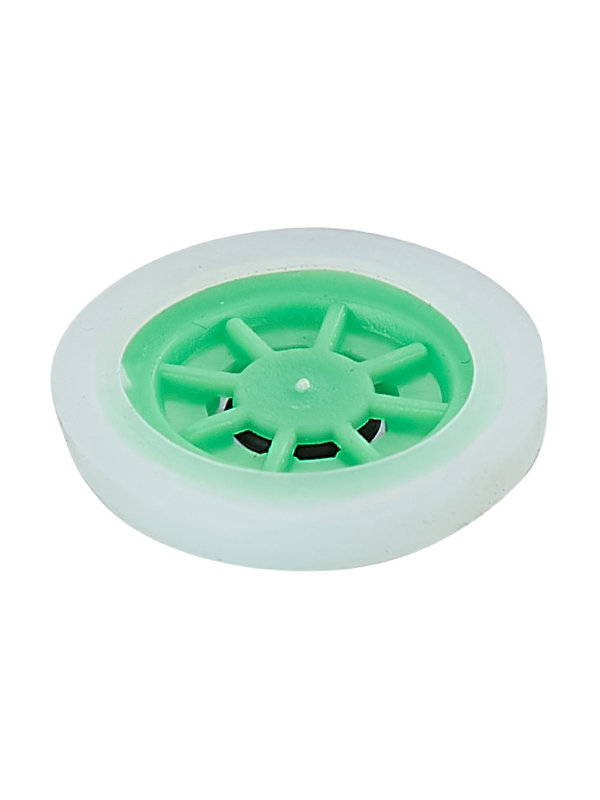
The core function of the sink faucet—to deliver and control water—has been reimagined through significant technological improvements. Contemporary designs often feature single-lever cartridge mechanisms that allow for precise, one-handed control of both water volume and temperature with a smooth, single motion. This represents a substantial leap from the separate hot and cold handles of the past, offering enhanced convenience and safety. Furthermore, the widespread integration of aerators is a quiet revolution. These devices mix air with the water stream, maintaining strong pressure while significantly reducing overall water consumption, aligning the humble sink faucet with global sustainability goals without sacrificing performance.
Material and finish innovation has dramatically expanded the design vocabulary of the sink faucet. While durable chrome remains a staple for its classic look and ease of cleaning, the market now offers a rich array of options. Brushed nickel and oil-rubbed bronze provide warmer, textured alternatives, while matte black and bold gold finishes have become statement pieces for contemporary interiors. Underneath the surface, high-quality brass or stainless steel bodies ensure longevity and resistance to corrosion, while advanced PVD (Physical Vapor Deposition) coatings on premium models offer exceptional resistance to scratches, tarnishing, and fingerprint marks, ensuring the sink faucet retains its beauty for years.
The evolution of form has been equally remarkable. The widespread adoption of the pull-down or pull-out sink faucet, particularly in kitchens, has transformed food preparation and cleaning. These models feature a flexible hose concealed within the spout, allowing the spray head to be extended over the entire basin for rinsing produce, filling pots, or cleaning the sink itself. In bathrooms, widespread and tall spout designs provide more clearance and a modern look, improving usability. Touchless or touch-activated sink faucet technology, once a novelty in public restrooms, is increasingly entering the home, promoting hygiene by allowing users to turn water on and off without touching handles with dirty or soapy hands.
The sink faucet is poised to become an even more integrated and intelligent component of the home. Potential developments include more advanced smart features, such as faucets that deliver pre-measured volumes of water at precise temperatures via voice command or a touchscreen interface, contributing to both convenience and conservation. Further integration with home water monitoring systems could provide users with real-time data on usage, helping to identify leaks and manage consumption.
The modern sink faucet illustrates how a fundamental household fixture can be re-engineered to enhance everyday experiences. It is no longer merely a utilitarian valve but a carefully designed interface between the user and a vital resource. From its water-saving capabilities and hygienic innovations to its role as a defining element of kitchen and bath décor, the sink faucet stands as a clear example of how thoughtful design and technological progress can elevate the common routines, combining practicality with personal expression in a single, flowing form.