In kitchens and bathrooms around the world, a single fixture has come to define intuitive and efficient water management: the mixer faucet. This ubiquitous design, which integrates hot and cold water supplies into a single outlet controlled by one or two handles, has largely replaced the separate taps of the past. The mixer faucet represents a significant evolution in plumbing technology, prioritizing user convenience, precise temperature control, water conservation, and sleek aesthetic integration in modern interiors.
The fundamental principle of the mixer faucet is the blending of hot and cold water within the faucet body before it exits the spout. This is achieved through an internal mechanism, commonly a cartridge—either ceramic disc or compression-style—that regulates the flow and proportion from each supply line. The primary advantage of this system is the ability to obtain water at a desired temperature and volume instantly and consistently. Unlike systems with separate taps, a mixer faucet eliminates the cumbersome process of filling a basin with water from two different sources to achieve a comfortable temperature, streamlining tasks from handwashing and cooking to bathing.
Modern iterations of the mixer faucet offer various control configurations to suit different preferences and styles. The single-lever mixer faucet is highly popular for its simplicity; moving the handle left or right adjusts temperature, while lifting or lowering it controls flow. The two-handle mixer faucet, with separate controls for hot and cold, offers a more traditional look and allows for precise individual adjustment. Regardless of style, contemporary designs focus on ergonomic handles, smooth operation, and durable finishes that resist tarnishing and water spots. The widespread adoption of ceramic disc cartridges in modern mixer faucet designs is notable for providing drip-free performance and reliable service over many years.
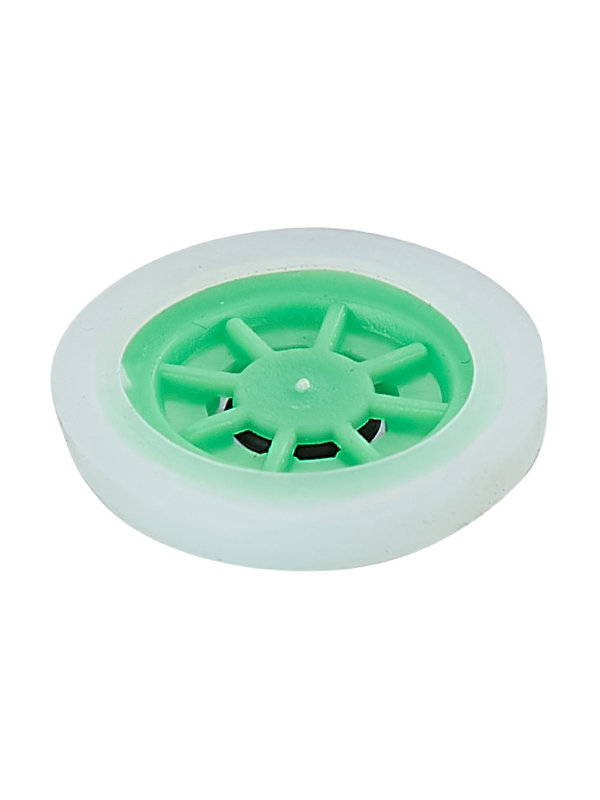
Beyond convenience, the mixer faucet plays a meaningful role in promoting water efficiency. By enabling users to find the ideal temperature quickly, it reduces the water wasted while adjusting from too hot or too cold. Many modern mixer faucet models are equipped with flow restrictors or aerators as standard. These devices mix air into the water stream, maintaining a satisfying sense of pressure while significantly reducing the gallons per minute used. This integration of conservation technology makes the modern mixer faucet an environmentally conscious choice that aligns with sustainable building practices and utility cost savings.
The design versatility of the mixer faucet allows it to serve as a central aesthetic element in room design. Available in a vast array of finishes—from classic chrome and brushed nickel to matte black, bronze, and even bold colors—a mixer faucet can complement any décor theme. Its form has also evolved, with options like tall, arched gooseneck spouts for kitchen sinks, widespread designs for bathroom vanities, and wall-mounted versions for a smallist look. This flexibility ensures the mixer faucet is not just a functional fitting but a key component of interior styling.
Innovation in mixer faucet technology is moving toward enhanced hygiene, smart features, and even greater efficiency. Touchless or touch-activated mixer faucet models, which use infuncommond sensors to start and stop water flow, are becoming more common in public spaces and are entering the residential market, promoting hygiene by reducing contact with surfaces. Smart mixer faucet systems with temperature presets, flow timers, and water usage monitoring are emerging, offering new levels of control and conservation.