From kitchens and bathrooms to utility rooms and public spaces, the faucet remains a universal and essential interface for water access. This fundamental plumbing fixture, designed to control the release of water from a supply line, is undergoing a quiet but significant transformation. The modern faucet is no longer a simple mechanical valve; it is evolving into a product that emphasizes design aesthetics, water conservation, technological integration, and user-centric functionality, reflecting broader shifts in how we interact with resources in our daily environments.
At its core, the operation of a faucet involves regulating water flow and temperature. Traditional two-handle designs separate these controls, while the widespread adoption of single-handle models allows for intuitive adjustment with one motion. The reliability of a faucet hinges on its internal valve technology. Ceramic disc cartridges have become a standard for quality, offering smooth operation and exceptional longevity by resisting the wear and mineral buildup that plagued older compression-style faucet mechanisms. This internal engineering is crucial for preventing drips and ensuring consistent performance.
Design has become a primary driver in the faucet market, moving it firmly into the realm of interior decor. The faucet is a visible focal point in any sink area, and consumers now select fixtures that express personal style. This has led to an explosion of finishes beyond basic chrome, including brushed nickel, matte black, oil-rubbed bronze, and polished brass. The form of the faucet—from the elegant arc of a gooseneck spout to the sleek lines of a contemporary pillar design—plays an equally important role in defining the aesthetic of a kitchen or bathroom.
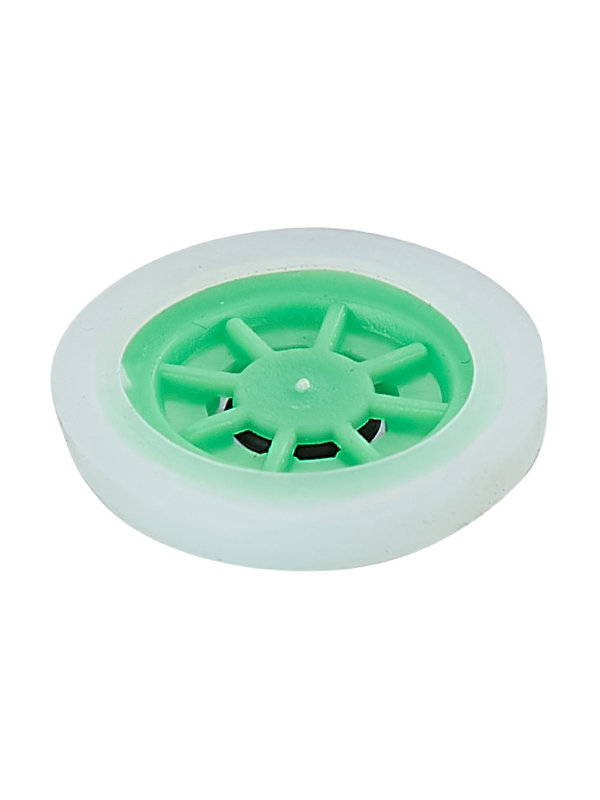
Water efficiency is a critical and growing imperative in faucet design and regulation. Governments and municipalities worldwide have implemented standards that mandate lower flow rates without sacrificing user satisfaction. Manufacturers meet these requirements through advanced aerators, which mix air into the water stream to create a full, effective flow while using less water. The proliferation of WaterSense-certified faucet models demonstrates how environmental responsibility is being engineered into this everyday product, helping to reduce household water consumption significantly.
Technological integration is adding new layers of functionality to the traditional faucet. Touchless or hands-free faucet models, activated by motion sensors, are becoming more common, particularly in public restrooms and kitchens, promoting hygiene and reducing water waste from forgotten running taps. In residential settings, smart faucet options are emerging, offering features like precise digital temperature control, usage monitoring, and even voice activation. While not yet mainstream, these innovations point to a future where the faucet becomes a more connected and data-aware appliance.
The trajectory for the faucet industry is set on a path of continued refinement and intelligence. The focus will likely remain on enhancing water-saving technologies, improving the durability of finishes, and creating more seamless user experiences. As concerns about resource management and personal health persist, the humble faucet is proving to be a key point of innovation. It exemplifies how even the many established household items can be reimagined to meet the demands of contemporary life, blending utility with conservation, design, and emerging technology to better serve our daily needs.