Within the modern bathroom, the daily ritual of bathing is governed by a central, yet often understated, component: the shower faucet. This essential plumbing fixture, responsible for controlling water flow, temperature, and sometimes spray pattern, has evolved from a simple mechanical valve into a sophisticated point of interaction that balances personal comfort, safety, water conservation, and design aesthetics. The contemporary shower faucet is a testament to how engineering and user-centric design can elevate a fundamental daily experience.
The primary function of any shower faucet is to provide safe and comfortable access to water. Modern designs achieve this through precise thermostatic or pressure-balancing mixing technology integrated directly into the valve body. Unlike older dual-handle systems where adjusting one handle could cause sudden temperature shifts, a modern pressure-balancing shower faucet automatically compensates for changes in water pressure from other household uses (like a flushing toilet), maintaining a steady, safe output temperature. Thermostatic models offer even greater precision, allowing users to set and lock a specific temperature, which is then consistently delivered. This focus on temperature stability is a critical safety feature, especially for households with children or elderly residents.
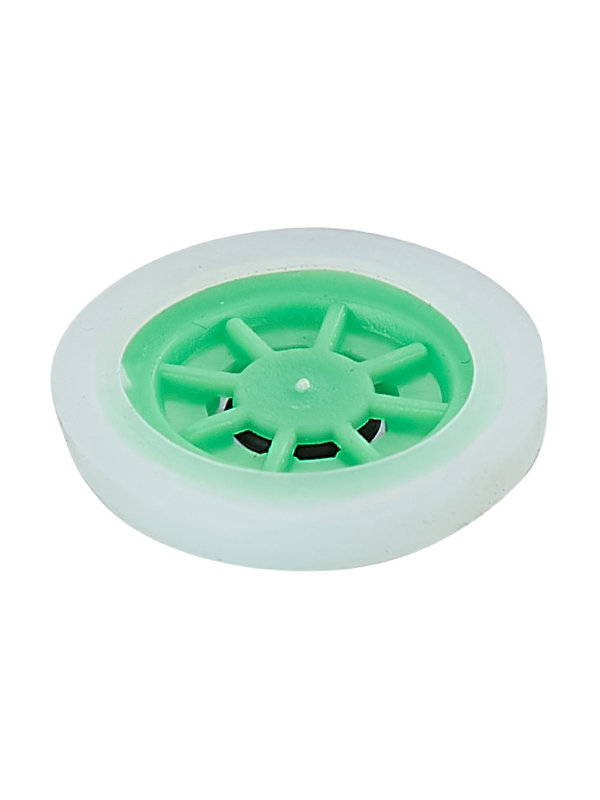
Beyond basic temperature control, the modern shower faucet serves as a hub for personalization and water management. Many systems now incorporate diverter valves that allow a single shower faucet to supply multiple outlets, such as a fixed showerhead, a handheld spray wand, and body jets. The user can switch between these modes seamlessly. Furthermore, water-saving technologies are deeply embedded. Flow restrictors are standard, limiting gallons-per-minute output without sacrificing perceived pressure. Many advanced shower faucet systems also feature an integrated pause or "eco" button, allowing users to temporarily stop the water flow while lathering, contributing to significant conservation over time.
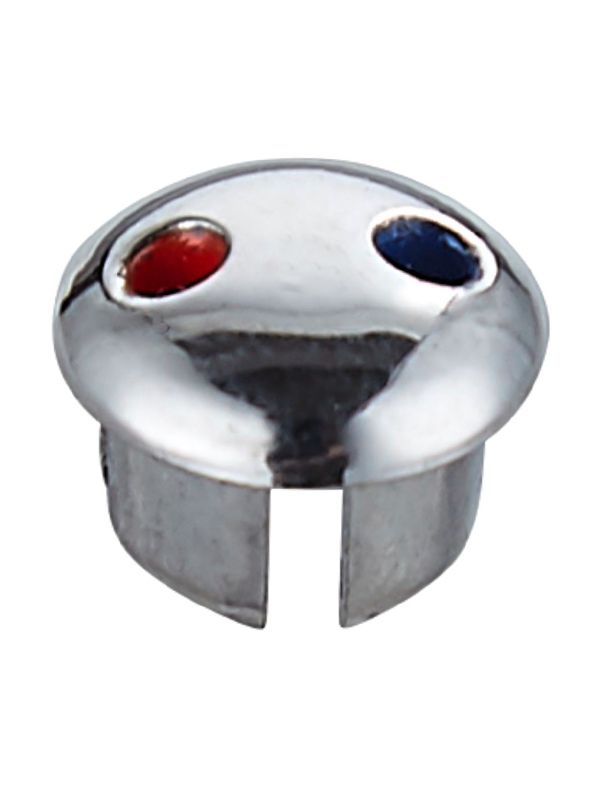
The design and finish of the shower faucet have become integral to bathroom aesthetics. Once available in limited chrome finishes, today's shower faucet options span a wide spectrum, including brushed nickel, matte black, oil-rubbed bronze, and polished brass. This allows the fixture to serve as a design anchor, complementing or contrasting with other bathroom hardware. The form has also evolved, with sleek, smallist single-lever controls, discreet dials, and even touch-sensitive digital interfaces gaining popularity. The shower faucet trim—the visible plate and handles—is designed for both visual appeal and durability, often featuring ceramic disc internals for smooth, reliable operation and resistance to lime scale buildup.
Installation and system design considerations for the shower faucet underscore its role as part of a larger system. The valve body, or rough-in valve, is installed behind the wall during construction or renovation and is connected to the hot and cold water supplies. The user-interfacing trim is then mounted onto this valve. This two-part system allows for future style updates by changing only the trim plate and handles, without accessing the plumbing behind the wall. Choosing a compatible shower faucet system requires consideration of the valve type, desired features (like multiple outlets or thermostatic control), and ensuring the trim matches the bathroom's decor.
The modern shower faucet has transformed from a simple utility into an intelligent command center for personal hygiene and relaxation. It prioritizes safety through precise temperature management, promotes conservation through integrated efficiency features, and offers a canvas for personal style. As technology continues to merge with daily living, the shower faucet stands as a clear example of how a functional necessity can evolve into a sophisticated element that enhances well-being, reflects personal taste, and responsibly manages a vital resource.