At the heart of the culinary workspace, the kitchen mixer stands as a pivotal fixture, merging water delivery with user-centric design. More commonly referred to as a kitchen faucet in many markets, the kitchen mixer is specifically engineered to meet the demanding and varied tasks of food preparation, cooking, and cleanup. Its evolution reflects ongoing trends in ergonomics, material science, and the integration of technology to create a more efficient and pleasant kitchen environment.
The core purpose of a kitchen mixer is to provide easy access to hot and cold water with precise control. Modern designs overwhelmingly favor single-lever control, where one handle manages both temperature and flow rate, allowing for quick adjustments with a simple movement, even with wet or messy hands. The internal mechanism of a high-quality kitchen mixer typically employs a ceramic disc cartridge, known for its durability and smooth, drip-free operation over thousands of cycles. This reliability is essential in a high-usage area like the kitchen.
Design and functionality are deeply intertwined in the contemporary kitchen mixer. The spout design is a key consideration. A high-arc or gooseneck spout is a popular choice for a kitchen mixer, providing ample clearance for filling large pots and cleaning bulky items in the sink. Many models feature a pull-down or pull-out spray head, which has become a near-standard feature. This flexible spray head, integrated into the kitchen mixer spout, converts from a steady stream to a spray pattern, greatly enhancing the fixture's versatility for rinsing vegetables, cleaning the sink, and reaching every corner of dishes.
Material innovation plays a significant role in the longevity and aesthetics of a kitchen mixer. The inner valve body is commonly constructed from solid brass to resist corrosion. The exterior finish, available in a wide spectrum from classic chrome to matte black and brushed gold, is applied through processes like physical vapor deposition to ensure resistance to scratches, fingerprints, and tarnishing. The finish of a kitchen mixer must withstand constant exposure to water, food acids, and cleaning chemicals.
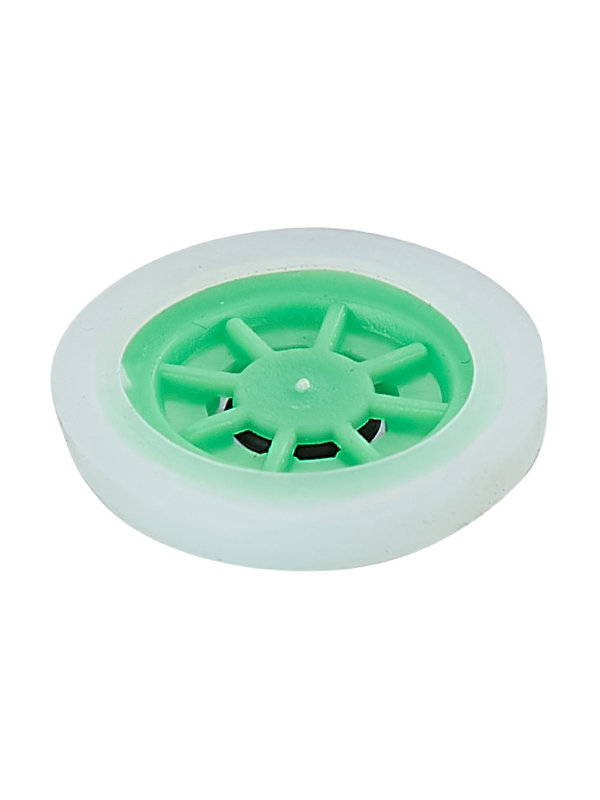
Water efficiency is an increasingly important aspect of kitchen mixer specifications. Aerators installed at the tip of the spout or spray head introduce air into the water stream, creating a fuller feel while reducing overall water consumption. Many kitchen mixer products are designed to meet or exceed regional water efficiency standards, helping households conserve water without compromising on performance for daily tasks.
Installation and added features further define the modern kitchen mixer. Models are available for deck-mount installation on the countertop or sink, or for wall-mount applications. Additional convenience features are becoming more common, including touch or touchless activation for improved hygiene, built-in water filtration systems, and even instant hot water dispensers integrated into the kitchen mixer design. These features transform the kitchen mixer from a simple water source into a multi-functional hub.
The development of the kitchen mixer is likely to continue toward greater intelligence and integration. Smart faucets with voice control or connectivity to home automation systems represent one direction. However, the fundamental requirements will remain: delivering reliable, controllable water in a durable, easy-to-use, and aesthetically pleasing form. As the kitchen solidifies its role as a central gathering and working space in the home, the kitchen mixer will continue to be a focal point of its functionality, embodying the blend of practical utility and design sophistication that defines modern kitchenware.