In bathrooms where personal hygiene and functional design converge, a dedicated fixture is gaining recognition: the bidet faucet. This specialized plumbing fixture is designed explicitly for use with a bidet, a basin intended for washing the perineal area. Unlike a standard bath or sink faucet, the bidet faucet is engineered with specific features to provide a controlled, gentle stream of water, reflecting a growing global interest in enhanced bathroom hygiene and fixture specialization.
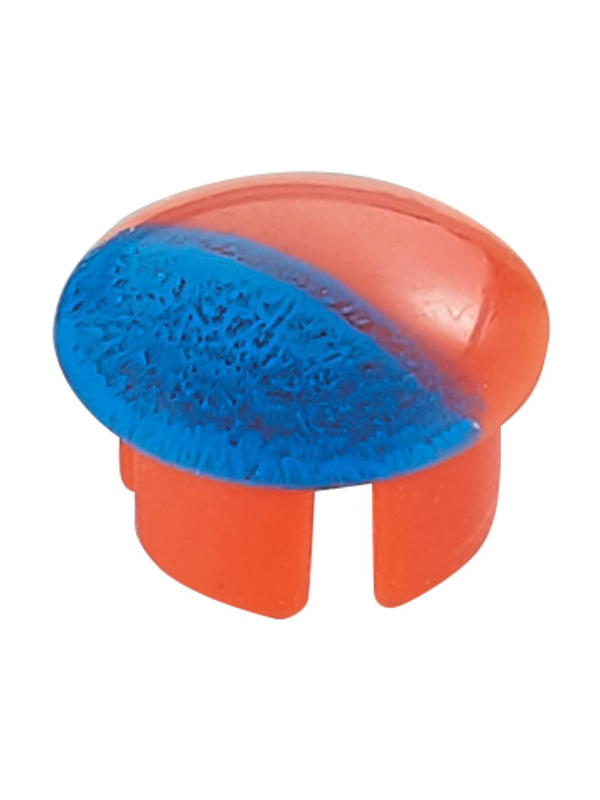
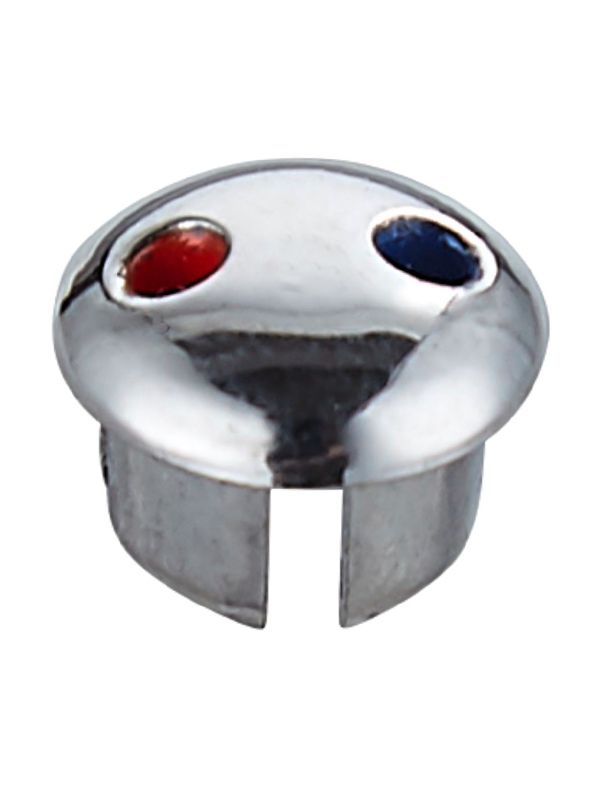
The primary function of a bidet faucet is to deliver water for personal cleansing. It is typically installed on the rim of the bidet bowl or on a nearby wall. The design often differs from a standard faucet, frequently featuring a swivel spout that can be adjusted to direct the water flow accurately. Many traditional bidet faucet models are operated by two separate valves: one for cold water and one for hot water, allowing the user to mix and achieve a comfortable temperature. This mixing capability is a key aspect of the bidet faucet, ensuring the water is neither too cold nor too hot for its intended sensitive use.
The application of a bidet faucet is intrinsically linked to the presence of a bidet. While standalone bidets with their own bidet faucet are common in many parts of the world, other configurations exist. Some modern toilets integrate bidet functionality, but traditional setups still rely on a separate bowl and its dedicated bidet faucet. The use of a bidet faucet and bidet is advocated for its hygienic benefits and potential to reduce reliance on toilet paper, aligning with trends toward sustainability and personal wellness.
From a design and installation perspective, the bidet faucet must coordinate with the bidet's style and mounting holes. Finishes like chrome, brushed nickel, or oil-rubbed bronze are selected to match other bathroom fixtures for a cohesive look. Installation requires proper plumbing connections for both hot and cold water lines to the bidet faucet, which is why professional installation is often recommended to ensure leak-free operation and correct functionality. The positioning of the bidet faucet is also crucial for ease of use and to prevent water from splashing outside the bowl.
Material quality and valve technology are important for the durability and performance of a bidet faucet. Like other quality faucets, internal components made from brass or corrosion-resistant alloys ensure longevity. Ceramic disc cartridges in the valves of a modern bidet faucet provide reliable control and help prevent drips. The finish on the bidet faucet needs to withstand frequent use and cleaning, maintaining its appearance in a moist environment.
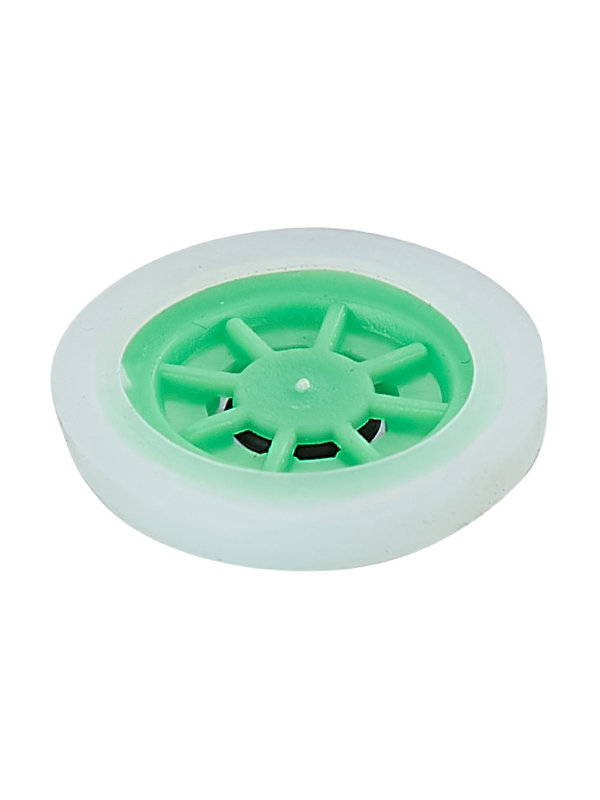
The bidet faucet segment may see innovations focused on water efficiency through advanced aerators and easier-to-clean designs. However, its core role is well-established. As bathroom design continues to emphasize hygiene, personal comfort, and fixture-specific functionality, the bidet faucet will maintain its place as a specialized and purposeful component. It represents a focused approach to bathroom fittings, where a specific task—personal cleansing—is served by a tool designed expressly for that purpose, highlighting the ongoing refinement of even the many utilitarian aspects of daily life.