Acrylic materials have been used in bathroom accessories for years, especially in products that focus more on appearance than heavy structural performance. That is why the acrylic shower head still appears in some online markets, even though mainstream shower systems today are made from brass, stainless steel, or ABS.
At a glance, an acrylic shower head can look attractive. Transparent materials, colored finishes, and decorative shapes are easier to produce with acrylic than with metal. Under lighting, some models even create a crystal-like effect that looks very different from ordinary chrome shower heads.
But from a manufacturing perspective, appearance and long-term stability are two separate things.
Why Some Factories Use Acrylic
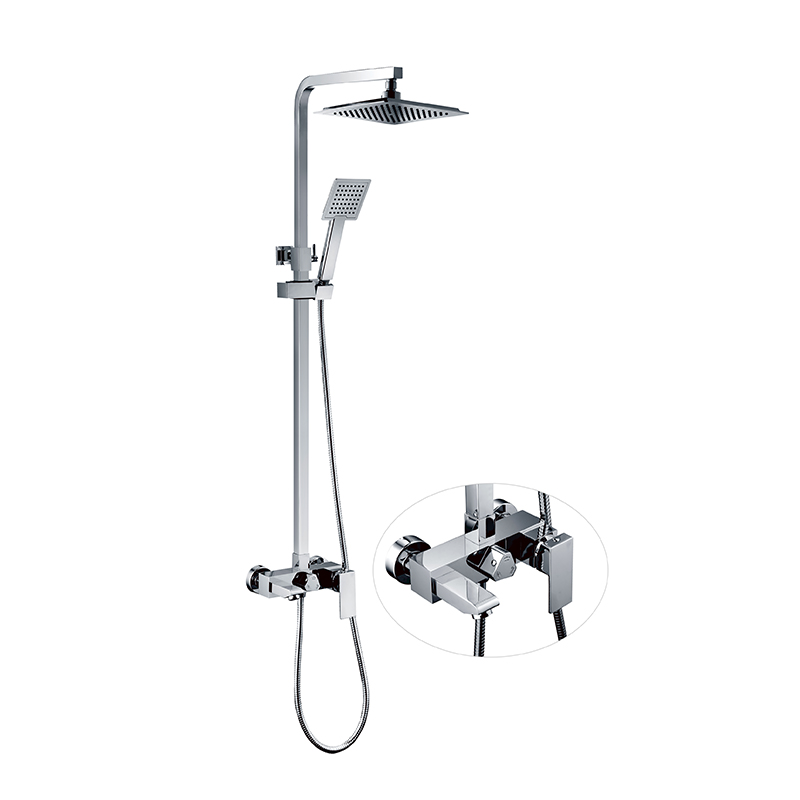
The biggest advantage of acrylic is processing flexibility.
Compared with brass casting, acrylic molding is simpler in some low-cost production environments. Factories can produce transparent bodies, irregular shapes, or thicker visual designs without the machining work normally required for metal shower heads.
For some sellers, this makes the acrylic shower head easier to market visually.
- transparent appearance attracts online buyers
- colored materials are easier to develop
- mold costs are relatively controllable
- lightweight structure reduces shipping weight
- surface can create decorative effects
In export markets focused mainly on price, these points still have some commercial value.
However, the material itself also creates limitations that are difficult to ignore once the product enters daily use.
Heat Resistance Is Usually the First Problem
In real bathroom conditions, temperature changes happen constantly. Hot water enters the shower head, then cools down again after use. Over time, repeated expansion and contraction affect material stability.
This is where an acrylic shower head often performs differently from brass products.
Brass handles thermal cycling relatively well because the structure remains stable under continuous hot water exposure. Acrylic materials are more sensitive. Lower-grade acrylic may gradually become brittle, especially if the water temperature stays high for long periods.
Some cheaper products also develop slight deformation near threaded connection areas. Once that happens, sealing performance can become unstable.
That is one reason why many plumbing-grade shower systems avoid acrylic for structural parts.
Surface Appearance Changes Faster Than Metal
Many buyers initially choose an acrylic shower head because the clear material looks clean and modern.
The problem is that bathroom environments are not gentle on transparent surfaces.
Hard water, cleaning chemicals, soap residue, and small scratches slowly change the appearance of acrylic over time. Unlike stainless steel or electroplated brass, acrylic surfaces are harder to restore once fine scratches become visible under light.
In some low-cost products, transparency loss becomes noticeable after several months of regular use.
This issue becomes more obvious in areas with hard water because mineral buildup is easier to see on transparent materials.
Why Acrylic Feels Less Solid
Even when the acrylic shower head uses thick material, many users still feel the product is lighter and less stable in the hand.
Part of this comes from density differences.
Brass naturally gives heavier tactile feedback, which many consumers associate with quality. Acrylic cannot easily create the same feeling, even if the external design looks premium in photos.
For online retail, this may not matter immediately. But in physical projects such as hotels or apartment installations, material feel often affects purchasing decisions more than appearance alone.
This is one reason traditional metal shower systems continue dominating engineering and commercial projects.
Connection Areas Matter More Than Appearance
In shower production, the sensitive areas are usually not the visible surfaces. The real stress often appears around threads, joints, and internal water channels.
With an acrylic shower head, these sections can become weak points if the structure is not reinforced properly.
- threaded areas may crack after repeated installation
- internal pressure resistance is lower than brass
- sealing stability depends heavily on molding accuracy
- impact resistance is relatively limited
- long-term maintenance can become difficult
For decorative household use, these problems may not appear immediately. But under frequent use conditions, material differences become easier to notice.
Why Most Mainstream Faucet Factories Still Prefer Metal
In the sanitary ware industry, long-term production trends usually reflect real market feedback.
That is why professional faucet manufacturers continue focusing on brass mixers, stainless steel shower systems, and conventional bathroom hardware instead of developing acrylic shower head lines.
Metal materials are simply more stable for products exposed continuously to pressure, heat, and moisture.
The acrylic shower head still has a market, especially in low-budget retail channels where appearance matters more than lifespan. But in projects where durability, maintenance control, and long-term reliability are priorities, metal products remain the safer option in cases.