A shower tap is often selected for its appearance, but installers and homeowners usually pay closer attention to another detail after installation—how smoothly it controls water. In many renovation projects, people discover that daily comfort depends not only on the shower head but also on how accurately the faucet responds during every adjustment.
As bathroom upgrades continue to focus on user experience, the shower tap is increasingly discussed alongside the shower mixer. Rather than treating them as separate products, designers and contractors now consider how both contribute to stable water delivery during everyday use.
Small Adjustments Make A Noticeable Difference
A shower is rarely used at one fixed setting.
Someone may prefer warmer water in the morning.
Another family member adjusts the temperature differently in the evening.
Water flow also changes depending on washing hair, rinsing quickly, or cleaning the shower area.
Because of these everyday habits, a shower tap is expected to respond smoothly instead of requiring repeated fine adjustments.
Many installers say users notice control quality long before they notice the faucet's finish or style.
Water Pressure Is Not Always The Same
Water pressure changes from one building to another.
An apartment on an upper floor may experience different conditions from a ground-floor home.
Pressure can also vary during busy periods when several outlets are used at the same time.
For this reason, manufacturers increasingly evaluate how a shower mixer performs under changing water conditions instead of relying only on laboratory testing.
The objective is not to eliminate every fluctuation but to provide a more predictable showering experience.
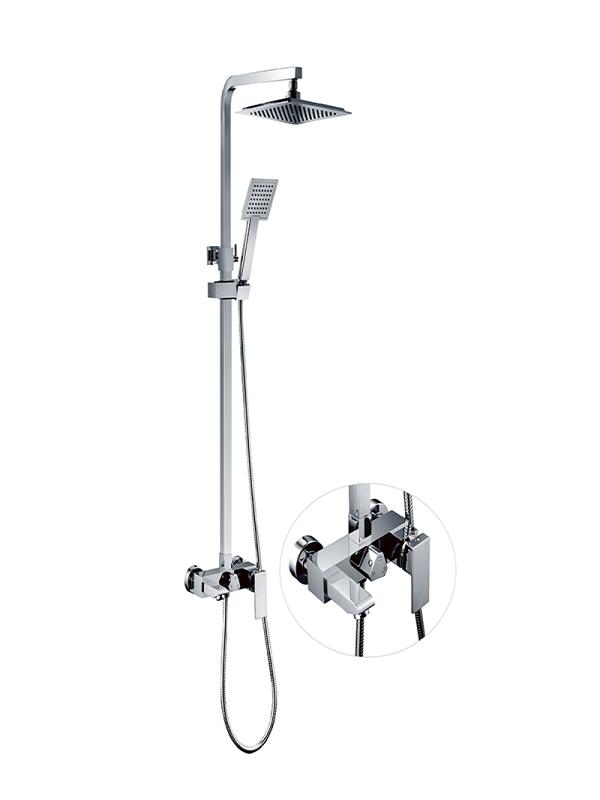
Installation Influences Everyday Performance
Two bathrooms may use the same product while producing different user experiences.
Pipe layout.
Water pressure.
Valve positioning.
Connection quality.
All of these factors influence how a shower tap performs after installation.
Professional installers therefore spend time checking the entire water supply system instead of focusing only on the visible fixture.
Many service calls are eventually traced to installation conditions rather than to the faucet itself.
Daily Use Creates Long-Term Expectations
People operate a shower faucet almost without thinking.
Turn it on.
Adjust the flow.
Find a comfortable temperature.
Turn it off.
These actions are repeated thousands of times over the product's lifetime.
Because of this, homeowners often value consistency more than dramatic features.
A shower mixer that responds the same way every day usually creates a better long-term experience than one that requires frequent readjustment.
Cleaning Habits Also Affect Performance
Bathroom fittings remain exposed to moisture every day.
In some areas, mineral deposits gradually build up around water outlets and operating parts.
Routine cleaning helps maintain smooth operation and keeps moving components working as intended.
Maintenance does not usually involve complicated procedures.
Simple, regular care often supports the long-term performance of a shower tap, especially in regions with harder water.
For many households, good maintenance becomes part of normal bathroom care rather than occasional repair.
Comfort Often Comes From Consistency
Modern bathroom design is placing greater emphasis on everyday experience instead of individual product features.
Users rarely remember the exact model of their faucet.
They remember whether water adjustment feels natural.
Whether temperature changes respond smoothly.
Whether daily use becomes effortless over time.
That is why discussions surrounding the shower tap increasingly focus on practical performance instead of specifications alone. As bathroom renovation projects continue to evolve, the relationship between the shower mixer, installation quality, and everyday user habits is becoming just as important as the product itself when creating a comfortable shower environment.