Search for faucets online these days, and you will notice more sellers pushing products with digital temperature displays. The typical digital water heater tap comes with a small screen showing the water temperature while the faucet runs.
Some buyers like this feature immediately. It looks modern and convenient. Others think a standard faucet already does the job well enough.
The difference is not just about appearance. Behind that display screen, there are real changes in manufacturing, internal components, and product positioning.
The basic job hasn't changed
Whether you pick a regular mixer or a digital water heater tap, the purpose stays simple. Both control water flow and provide hot and cold water for daily use.
For households, reliability matters more than extra bells and whistles.
A digital display does not reinvent how a faucet works. It mainly gives users a faster way to check the temperature without touching the water directly.
That is why some families find the feature useful, especially in kitchens or bathrooms used by children or older adults.
More electronics mean more complexity
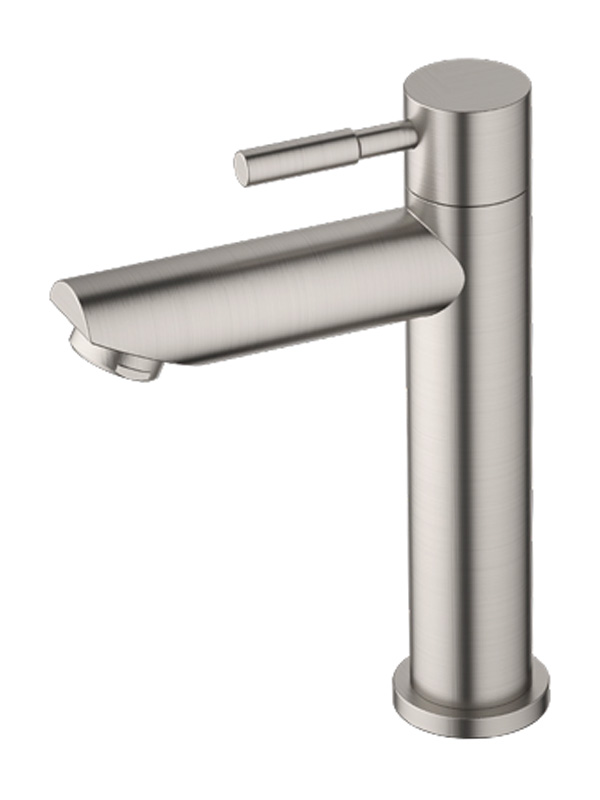
Compared with traditional faucets, a digital water heater tap includes extra electronic components inside.
Depending on the model, manufacturers add temperature sensors, display modules, small circuit boards, and waterproofing parts. Some products even need internal power generation or battery support.
Because of these additions, production becomes more involved than a standard mechanical faucet.
Factories also run extra tests during assembly to ensure the display works correctly in wet conditions.
The faucet body is still made the old way
Even though the digital screen grabs attention, many of the faucet body is still produced using common manufacturing methods.
For example, both ordinary mixers and a digital water heater tap go through brass casting, machining, polishing, electroplating, and leak testing.
The core production technology is not completely different.
The real change is the electronic section added to the traditional faucet structure.
Different buyers want different things
In the market, preferences vary.
Some homeowners like products with a stronger technology feel, especially for modern kitchens or bathrooms. In those cases, a digital water heater tap may match the interior style better.
At the same time, many buyers still choose conventional faucets because they prefer a simpler setup.
For some people, fewer electronic parts mean fewer things to worry about later.
That is one reason traditional mixers remain popular in many markets.
Price differences make sense
When buyers compare products, price naturally comes up.
A standard faucet has fewer internal components and a simpler assembly process. A digital water heater tap needs extra electronics and more manufacturing steps.
That does not mean every digital model is expensive. Prices still depend on material quality, brand positioning, and production standards.
Still, products with displays and electronic systems tend to cost more than basic mechanical mixers.
Traditional faucets are not going away
Smart home products keep growing, but simple faucet designs are still widely accepted.
Many households already know traditional mixers and see no strong reason to switch. Others may prefer easier maintenance or want products that match older kitchen and bathroom styles.
Meanwhile, the digital water heater tap keeps gaining attention in newer housing projects and modern renovation markets.
For now, both product types exist side by side rather than replacing each other.
Choose based on your actual needs
For buyers, the decision comes down to budget, habits, and personal preference.
Some people enjoy the convenience and modern look of a digital water heater tap. Others just want a durable faucet with straightforward mechanical operation.
Both choices have market demand. Both continue to play an important role in today's faucet industry.