A brass basin pillar tap stands on the basin itself, and it is held in place by a nut below the surface. That simple mounting decides much of what a buyer needs to know about it. The basin thickness, the hole size and the spout height above the bowl all have to agree before the tap goes on, and they are easy to check on a drawing. A brass basin pillar tap that fits these three numbers goes on in a few minutes.
Matching the tail to the basin
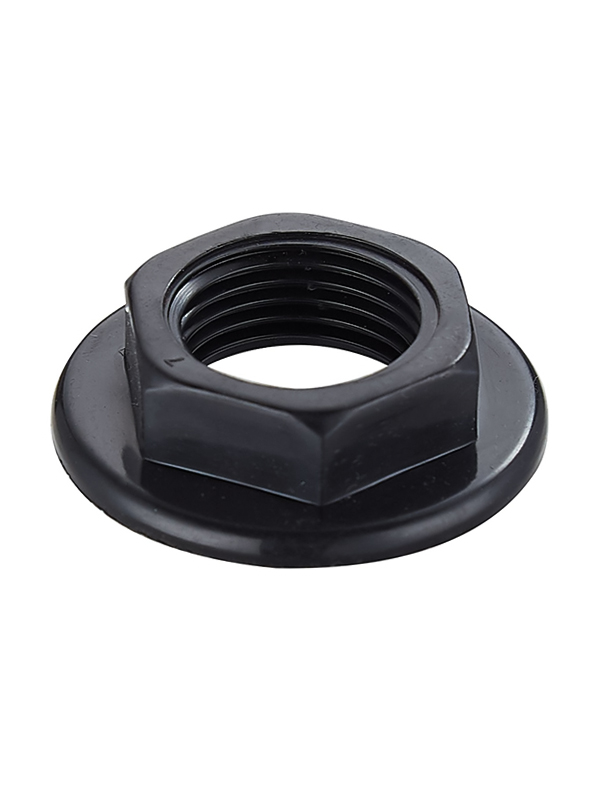
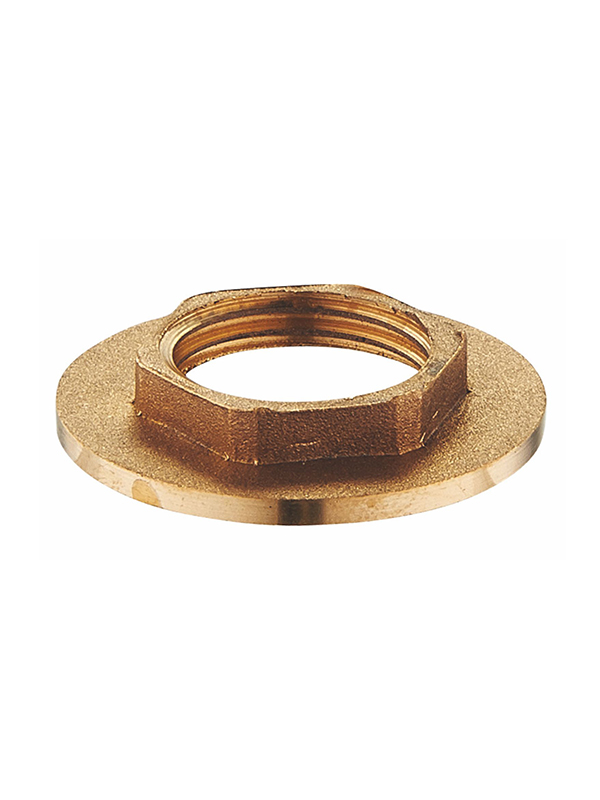
Below the tap body is a threaded tail, and a nut and washer tighten against the underside of the basin. The tail has to be long enough to pass through the basin and still leave several turns of thread for the nut. A ceramic basin with a thick rim needs a longer tail than a thin stone or steel surface. Manufacturers usually cut the tail to suit a standard basin thickness, and longer versions are available when a project uses a thick countertop.
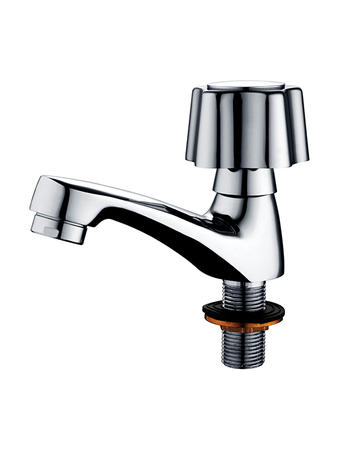
The hole in the basin is the other number. Pillar tap holes are drilled at the factory in ceramic basins, and the tap's shank is sized to sit in that hole with a small gap that the sealing washer covers. A brass basin pillar tap with a well-machined shank keeps that gap even, so the washer seals against a flat surface and the tap sits straight when the nut is tightened. Brass machines cleanly to these dimensions, and the threads cut into it stay sharp under the tightening force of a wrench.
Spout height matters for hand washing. The outlet should sit high enough for a hand to slide underneath, yet low enough that the water falls into the bowl and not against the far edge. A brass basin pillar tap comes in short and tall versions, and a traditional basin tap pair of either type follows the basin depth. Tall versions suit vessel style basins, while short ones suit standard bowls set into a counter.
Working as a pair
A brass basin pillar tap is often supplied as a hot and cold pair, one on each side of the basin. The two sit at a set distance apart, set by the tap holes in the basin, and the hot tap conventionally goes on the left. Each tap has its own valve, so the user mixes the temperature in the bowl or under the spout stream by opening both. This is the arrangement many people know from older bathrooms, and it remains a familiar way of using a basin.
Quarter turn ceramic disc valves are common in current pillar taps. A ninety degree turn takes the tap from closed to fully open, and the valve stays smooth over many uses. Older compression valves need several turns, which some renovation projects keep for a period look. Buyers can offer both, and the choice of valve is separate from the body shape, so the same brass form can carry either mechanism.
For heritage renovations, the outward shape matters as much as the valve. Cross handles, lever handles and round handles all sit on the same body, and finishes range from polished chrome to brushed nickel and antique brass. A traditional basin tap in a period bathroom usually pairs with a matching bath tap, and using one handle style across the room gives the space a settled look.
Fitting a pillar tap into a project
Hotels and guesthouses use pillar taps in large numbers, since they are simple to service and suit repeated room designs. A brass basin pillar tap is easy to replace like for like, because the hole and spacing stay the same over the years.
Residential renovation follows a similar logic. When a homeowner keeps an existing basin and updates the taps, the basin hole and thickness are already fixed, and a brass basin pillar tap with the right tail length slots straight in. Designers who want a traditional basin tap look on a modern basin can choose a finish that matches the rest of the room, without touching the plumbing behind the wall.
Buyers assembling a range can list tail length, shank size, valve type and spout height for each model. That gives retailers clear product pages, and it lets installers check compatibility with a basin before placing an order. A brass basin pillar tap described with those four numbers is easy to match to a project, and easy to compare with other models in the same collection. When the numbers agree, the tap sits square on the basin, and the brass basin pillar tap looks as settled as the bathroom around it.