Under many sinks today there is a small filter unit, and the water it produces needs a path to the surface. A 3 way kitchen mixer tap provides that path through the same body that delivers hot and cold water. The name refers to three separate waterways: hot, cold and filtered. They run side by side inside one tap and come out through one spout, without sharing a channel at any point.
Three waterways inside one body
In a standard kitchen mixer, hot and cold water meet at the cartridge and leave through the spout as one stream. A 3 way kitchen mixer tap adds a third route that bypasses the cartridge altogether. The filtered water travels through its own tube from the inlet to the spout, and a separate valve or lever controls it. Because it does not pass the mixing chamber, it stays cold and stays clean of any hot or cold residue from the mixed side.
Inside the spout there are two channels. One carries the mixed water and one carries the filtered water. They exit at slightly different points, so a person filling a glass from the filtered water tap function does not draw from the same opening that washes dishes. Brass suits this build well because the channels can be cast and machined with clean walls, and the internal shape keeps the two flows apart.
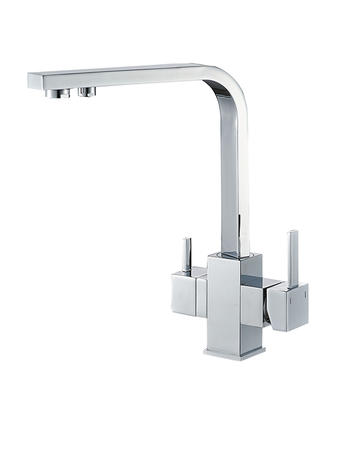
The handle arrangement on a 3 way kitchen mixer tap depends on the model. Some 3 way designs use one lever for hot and cold and a smaller second handle for the filtered outlet. Others place the filtered control at the base of the spout.
Matching the tap to an under-sink filter
The filter is the other half of the system, and its flow rate is lower than the mixed supply. A domestic filter or reverse osmosis unit typically delivers a slow, steady trickle, which is why the filtered channel is narrower than the hot and cold channels. A 3 way kitchen mixer tap is designed around that reality. A wide channel would leave the spout half empty at filter flow, while a narrow one keeps the stream full and easy to catch in a glass.
The connection is usually a small-bore tube, such as a quarter inch line, that runs from the filter to a fitting on the tap. This tube is separate from the two hot and cold connectors, so the sink cabinet holds three lines under one tap. Installers label them at the cabinet stage, since the filter tube and the water hoses look similar once the cabinet doors are closed.
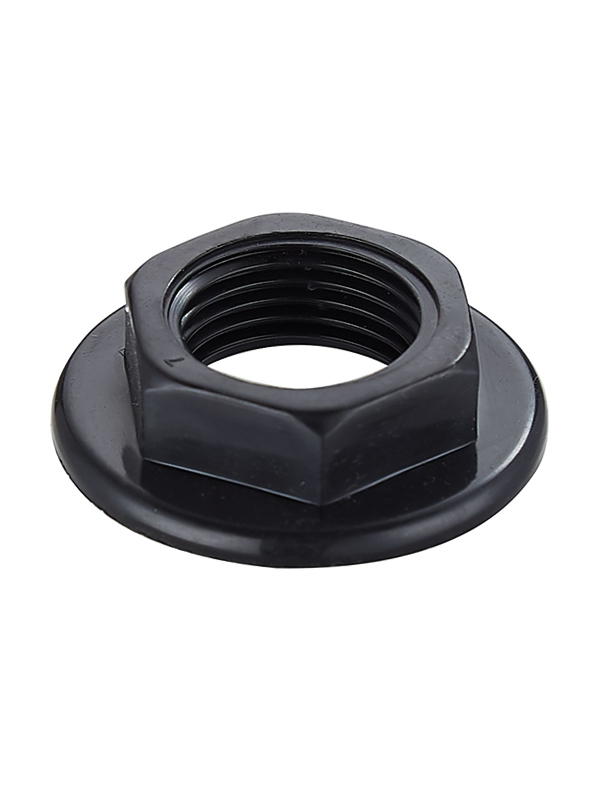
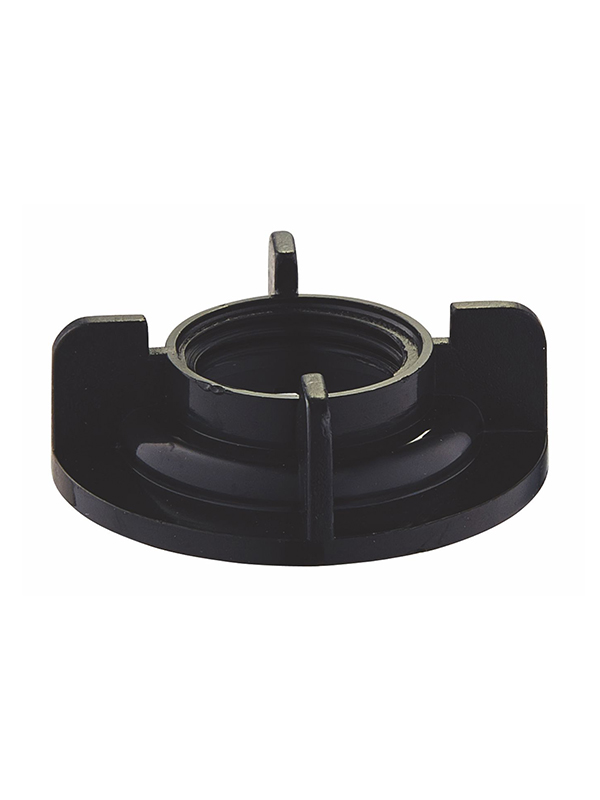
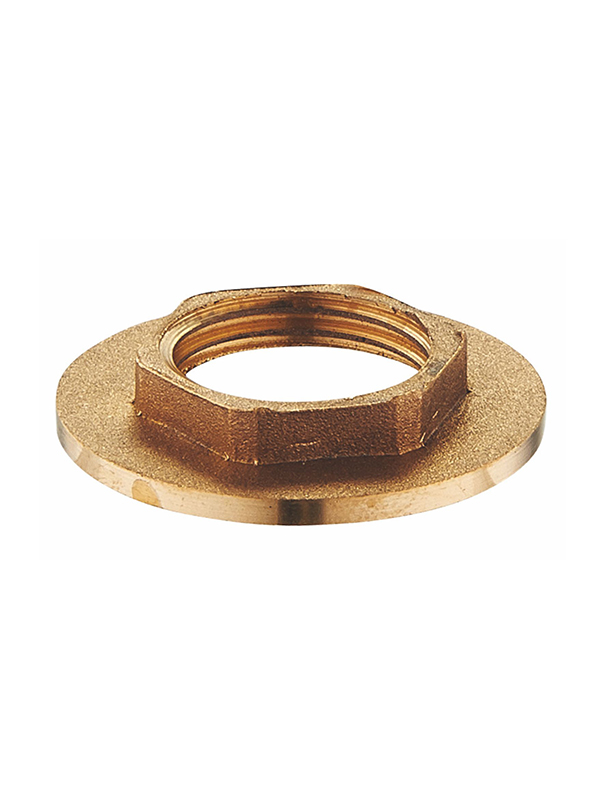
A 3 way kitchen mixer tap also has to fit the sink. Many designs use a single hole, with the three lines passing through the same opening, and the mounting nut under the sink holds the body in position. Fitters check that the hole is large enough for the three lines and their fittings, especially in thick worktops where the space under the hole is tight. A 3 way kitchen mixer tap with a compact base makes this easier.
Where a 3 way tap fits in a product line
Households that already use an under-sink filter are the obvious users, and the 3 way format also serves kitchens that plan to add one later. The tap can be installed ahead of the filter, with the filtered outlet left unconnected until the filter arrives. A 3 way kitchen mixer tap therefore suits renovation projects where the sink and the plumbing are done in one stage and the filter is added afterwards.
Buyers developing a kitchen range can offer a 3 way kitchen mixer tap alongside standard single lever models, using the same finish and handle style so the two look like a family. Brass and stainless steel bodies are both possible, and spout height and lever shape can follow the rest of the range. The filtered channel adds one more feature to the product page, and a clear description of the three waterways helps online shoppers understand what they are buying.
Retailers often place the filtered water tap option in a separate comparison group from standard mixers, since the shopper has a different purpose in mind. The customer is choosing a filtered drinking point as much as a kitchen fixture. A 3 way kitchen mixer tap that lists its tube size, hole size and channel layout gives that shopper what they need to compare it with a filter unit already in the cabinet, and gives installers the numbers for planning the sink area before the worktop is cut. For those reasons, the filtered water tap function is presented as part of the kitchen system, together with the filter that supplies it.