Switching between a fixed shower head and a handheld spray usually means reaching for a separate diverter valve, but a two functions thermostatic shower mixer handles both temperature control and outlet switching through the same cartridge assembly. That consolidation changes what buyers should actually inspect when comparing suppliers, since one component now carries two jobs that used to sit in separate parts. Buyers evaluating a two functions thermostatic shower against a standard single-function mixer plus a separate diverter should weigh the space and installation savings against the concentrated risk of relying on one shared component for both jobs.
Why Temperature Control and Outlet Switching Share One Cartridge
A two functions thermostatic shower mixer routes hot and cold water through a single ceramic cartridge that also directs flow between its two outlets, rather than pairing a separate thermostatic element with a standalone diverter. This design reduces the total number of moving parts inside the mixer body, which can improve long-term reliability since fewer components means fewer potential failure points, but it also means a single cartridge defect affects both functions at once rather than just one. Buyers should ask suppliers how the two functions are separated internally within the shared cartridge, since a poorly designed shared mechanism can develop cross-function wear that a fully separated system wouldn't experience. Requesting a cutaway diagram or sample cartridge for inspection helps buyers verify this internal separation directly, rather than relying entirely on a supplier's written description of how the mechanism works.
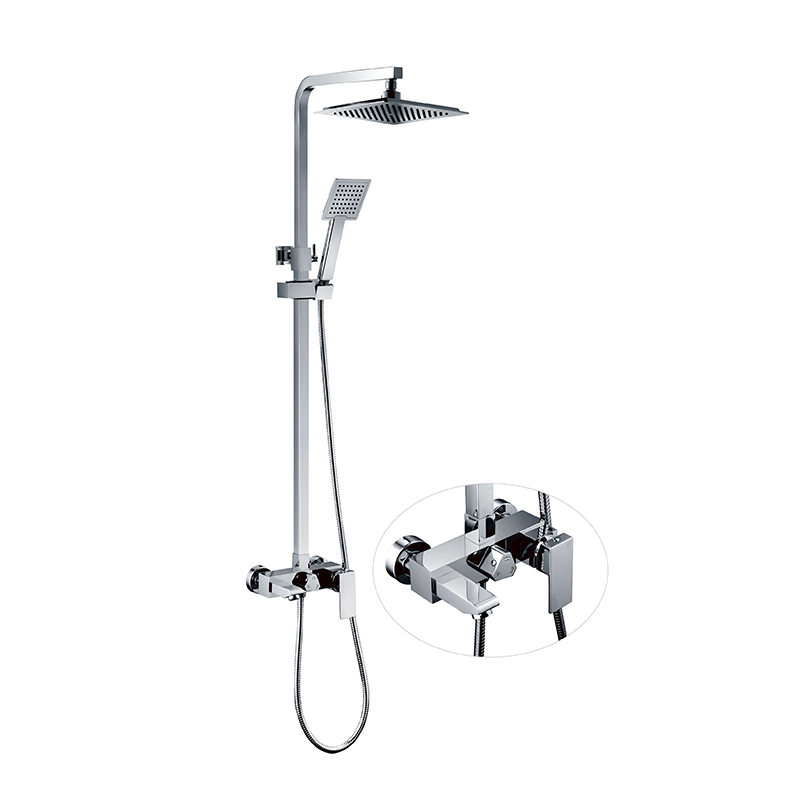
What a 35mm Ceramic Cartridge Actually Controls
The 35mm ceramic cartridge at the core of this two functions thermostatic shower mixer manages both the hot-cold blend ratio and the flow-direction switch between outlets, and cartridge diameter directly affects how much flow the mixer can handle without excessive pressure drop. A 35mm cartridge sits in a common mid-range size for residential shower mixers, balancing adequate flow capacity against the more compact overall mixer body size this diameter allows. Buyers specifying replacement cartridges or matching a new mixer design to existing rough-in plumbing should confirm cartridge diameter compatibility explicitly, since a mismatched cartridge size is one of the more common causes of failed field installations.
Body Material and Why Low Lead Brass Matters
Low lead brass construction, commonly specified as Hpb59 grade for this mixer body type, keeps lead content within limits required for potable water contact across export markets generally while maintaining the machinability and corrosion resistance brass is valued for in plumbing fixtures. Buyers shipping to markets with strict lead-content regulations should request material certification specific to the batch supplying their order, since brass alloy composition can vary between production runs even within a nominally consistent grade specification.
Comparing Handle Material Choices
|
Handle Material |
Weight Feel |
Corrosion Resistance |
Typical Cost Position |
|
Zinc alloy |
Lighter, cost-effective |
Good with proper plating |
Standard, budget to mid-range |
|
Solid brass |
Heavier, premium feel |
Excellent |
Higher cost, premium positioning |
|
Stainless steel |
Moderate weight |
Excellent |
Mid to high cost |
Surface Finish and Long-Term Appearance
Nickel and chrome plated finishing over the zinc alloy handle and brass body provides both corrosion resistance and the polished appearance buyers expect from bathroom fixtures, with plating thickness directly affecting how long that finish resists wear from daily handling and cleaning chemical exposure. Buyers should request plating thickness specifications rather than accepting a general "chrome plated" description, since thin plating can show base metal through the finish after a shorter service life than a properly specified thickness would provide.
Matching Function Count to Installation Requirements
Buyers specifying a two functions thermostatic shower mixer for a specific bathroom layout should confirm which two outlets the unit actually controls, since "two functions" can mean shower head plus handheld spray in one installation and shower plus bath spout in another, depending on how a supplier's product line defines the term. Clarifying this detail before finalizing an order avoids a mismatch between what a distributor expects to receive and what the physical plumbing rough-in at an installation site actually requires. A supplier willing to provide an installation diagram specific to their two functions thermostatic shower model, rather than a generic product photo, gives distributors a clearer basis for confirming compatibility with a customer's existing plumbing before the order ships.