Bathroom design trends change over time. A few years ago, many washbasins were paired with deck-mounted faucets that sat directly on the sink or countertop. Today, however, more homeowners, designers, and hotel projects are choosing the in wall basin mixer instead.
The growing popularity of this style is not simply about appearance. In many cases, the decision is connected to space planning, cleaning habits, and the overall layout of a bathroom.
Interestingly, people often notice the visual effect first, while the practical advantages become apparent only after daily use.
A cleaner-looking wash area
One reason people consider an in wall basin mixer is the way it changes the appearance of the sink area.
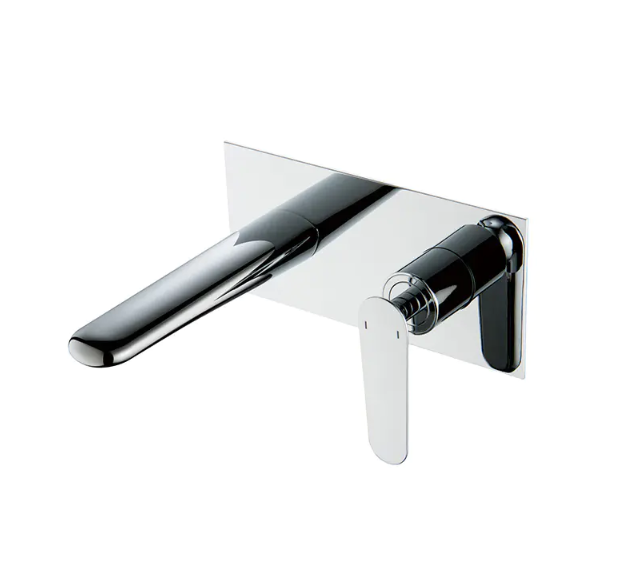
Traditional faucets occupy space on the basin or countertop. By comparison, an in wall basin mixer moves part of the installation into the wall, leaving only the visible controls and spout exposed.
The result is often a less crowded appearance.
This does not automatically make a bathroom larger, but it can create a more open visual impression, especially in compact spaces.
More room around the basin
A sink is used many times throughout the day.
Soap dispensers, toothbrush holders, skincare products, and other everyday items often compete for space around the basin.
Because an in wall basin mixer does not occupy the rear section of the countertop in the same way as many conventional faucet designs, users may gain additional usable surface area.
For smaller bathrooms, this can make organization a little easier.
- Common examples include:
- apartment bathrooms
- hotel guest rooms
- compact powder rooms
- modern residential projects
In these environments, every centimeter of available space can matter.
Cleaning is often simpler
People rarely choose bathroom fixtures based solely on cleaning requirements, but cleaning habits can influence long-term satisfaction.
With fewer visible components around the sink edge, an in wall basin mixer may reduce some of the areas where water spots and daily residue tend to collect.
The countertop remains easier to wipe across without needing to clean around a faucet base.
For households where the basin area is used frequently, this practical detail sometimes becomes more noticeable than the original design appeal.
Popular in contemporary bathroom designs
A walk through recent residential developments, hotels, or renovation projects shows how commonly the in wall basin mixer appears in contemporary interiors.
Part of the appeal comes from flexibility.
Because the faucet is separated from the basin itself, designers have greater freedom when combining different sink shapes and countertop materials.
This approach is frequently seen in:
- lower level interiors
- luxury hotel bathrooms
- custom residential projects
- modern renovation work
The faucet becomes part of the wall design rather than part of the sink.
Not every bathroom needs one
Despite its popularity, an in wall basin mixer is not automatically the right choice for every project.
Installation usually requires planning before the wall is finished. Replacing an existing faucet with an in-wall model may involve additional renovation work compared with simply changing a deck-mounted fixture.
For this reason, the choice is often easier during new construction or major remodeling projects.
The decision depends on budget, design goals, and installation conditions rather than trends alone.
Comparing common faucet layouts
|
Feature |
In Wall Basin Mixer |
Deck-Mounted Basin Mixer |
|
Installation Position |
Inside wall structure |
On sink or countertop |
|
Countertop Space |
More open |
Occupies surface area |
|
Visual Style |
Minimalist appearance |
Traditional appearance |
|
Renovation Requirements |
Often higher |
Usually simpler |
|
Design Flexibility |
High |
Moderate |
Both types continue to be widely used, but they serve different design priorities.
Why more projects are considering in-wall designs
The rise of the in wall basin mixer reflects broader changes in bathroom design. Many homeowners and designers are paying greater attention to clean lines, efficient use of space, and simplified layouts.
While appearance plays a role, practical factors such as easier cleaning and improved countertop organization also contribute to the appeal.
That is why the in wall basin mixer continues appearing in new homes, hotels, and renovation projects. For people planning a modern bathroom, it offers a different way to organize the sink area without changing the basic function of the space.