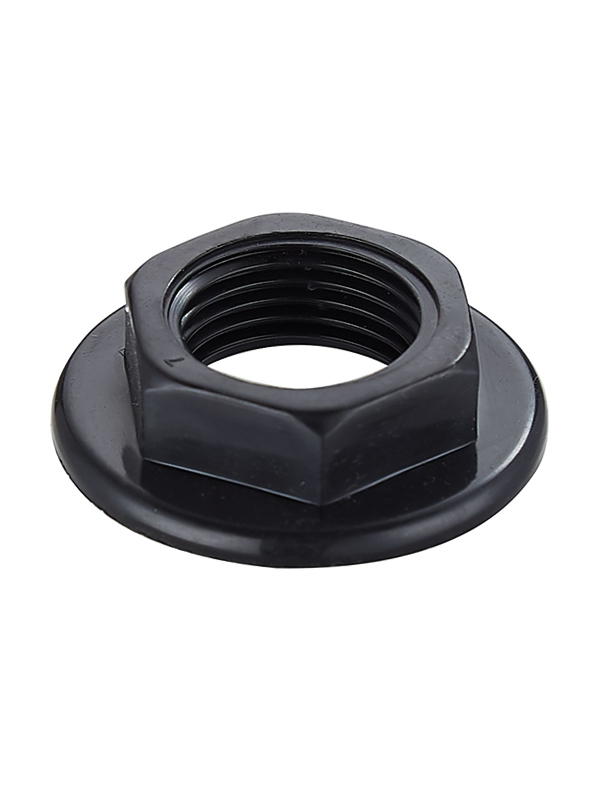
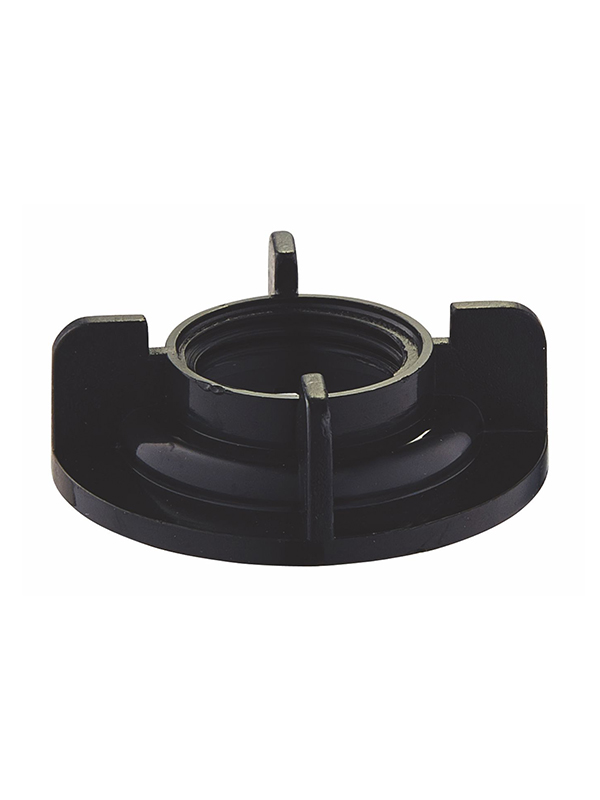
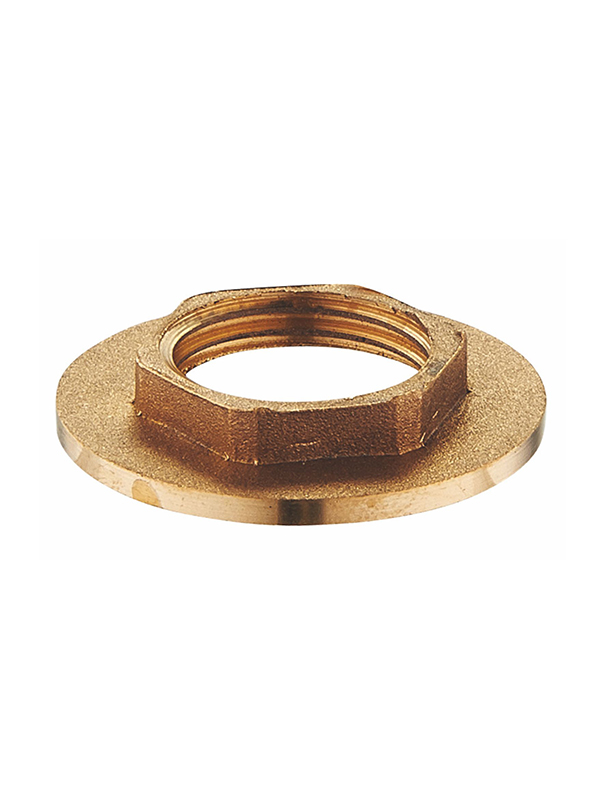
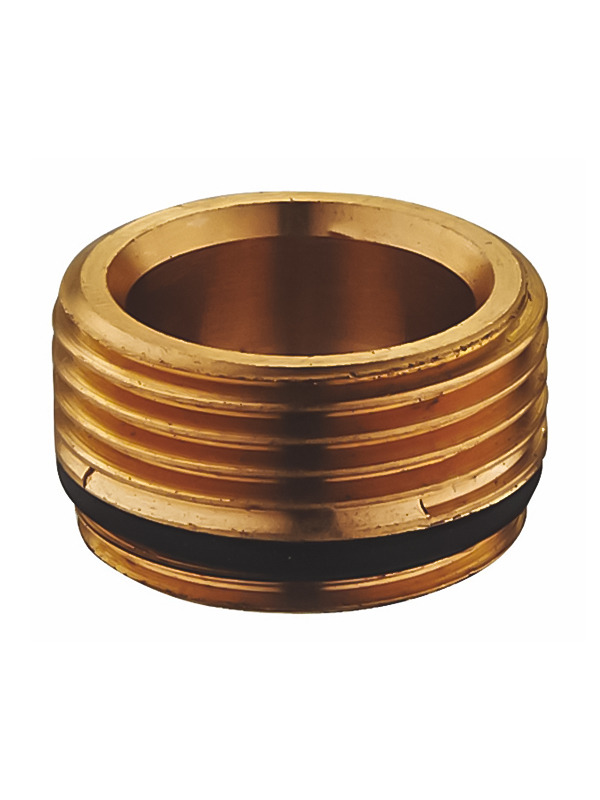
The faucet has undergone significant changes over recent decades, moving from simple two-handle designs to touchless and single-lever models. Unlike older faucets that required separate adjustments for hot and cold water, a modern faucet often blends temperature and flow in one smooth motion. Homeowners and business owners have installed faucet units with pull-down sprayers, motion sensors, and integrated water filters. The variety of faucet configurations allows kitchen and bathroom designs ranging from ultra-modern to classic traditional styles. Manufacturers continue to produce faucet models in multiple finishes, heights, and spout reach options.
Faucet types vary according to installation location and intended use. A kitchen faucet typically features a high-arc spout that accommodates large pots and pans. A bathroom faucet sits lower and has a shorter spout reach suited for hand washing. A bar or prep faucet offers compact dimensions for secondary sink locations. A commercial-style faucet brings restaurant aesthetics and high-flow performance to residential kitchens. The type of faucet selected should match the sink size and typical tasks performed.
Valve technology inside a faucet determines durability and drip resistance. A ceramic disc faucet uses two precision-ground plates that slide against each other for smooth operation. A compression faucet relies on a rubber washer pressed against a metal seat to stop water flow. A ball valve faucet employs a rotating, slotted sphere that aligns with inlet ports. A cartridge faucet contains a sealed unit that controls both temperature and volume. The valve type in a faucet affects longevity and ease of repair. A ceramic disc faucet typically outlasts compression-style valves.
Finish options for a faucet coordinate with other kitchen or bathroom fixtures. A chrome faucet offers a bright, reflective surface that suits contemporary and transitional spaces. A brushed nickel faucet provides a warm metallic appearance that resists fingerprints and water spots. A matte black faucet has gained popularity in modern and industrial-style kitchens. A stainless steel faucet matches appliances and sinks for a cohesive look. The finish of a faucet should resist corrosion from water, cleaning products, and food acids.
Pull-down and pull-out sprayers add functionality to kitchen faucets. A pull-down faucet extends from the spout head downward toward the sink basin. A pull-out faucet pulls the spray head forward from the spout for filling pots on the counter. A magnetic docking system in a faucet holds the spray head securely when not in use. A pause button on a faucet spray head stops water flow without changing temperature settings. The hose weight under the sink of a faucet ensures smooth retraction after use. A sprayer-equipped faucet simplifies cleaning of sink corners and rinsing of produce.
Touchless faucet technology uses sensors to turn water on and off without handle contact. An infuncommond sensor beneath the faucet spout detects hand motion and activates water flow. A battery pack or AC adapter powers the electronic components of a touchless faucet. An override handle on a touchless faucet allows manual operation during battery changes. A touchless faucet reduces the spread of germs in kitchen and bathroom settings. The sensor range of a touchless faucet adjusts to suit different sink depths and user preferences.
The faucet will likely incorporate more smart features and water monitoring. Advances in sensor technology may improve touchless faucet reliability and battery life. For homeowners upgrading kitchens and bathrooms, the faucet remains a key fixture selection.