The humble sink faucet, a fixture found in every home and commercial kitchen, is undergoing a dramatic transformation. Once viewed merely as a functional utility for delivering water, the sink faucet has emerged as a centerpiece of interior design and a hub of technological innovation. Industry trends indicate that consumers are now prioritizing a blend of aesthetics, water efficiency, and hands-free convenience when selecting a sink faucet for their remodeling projects or new constructions.
At the heart of this evolution is the integration of smart technology. The traditional lever or knob is increasingly being supplemented—or even replaced—by touchless activation. Utilizing motion sensors, these modern sink faucet models allow users to start and stop the flow of water with a simple wave of the hand. This innovation is particularly popular in kitchen environments, where hands are often covered in food residue, making a traditional handle unhygienic. By eliminating the need to touch the fixture, a touchless sink faucet helps prevent the spread of germs and makes meal preparation and cleanup more efficient. Furthermore, many of these smart models offer precision temperature control via a separate digital interface or even voice commands, allowing users to dispense a precise amount of water at a specific temperature.
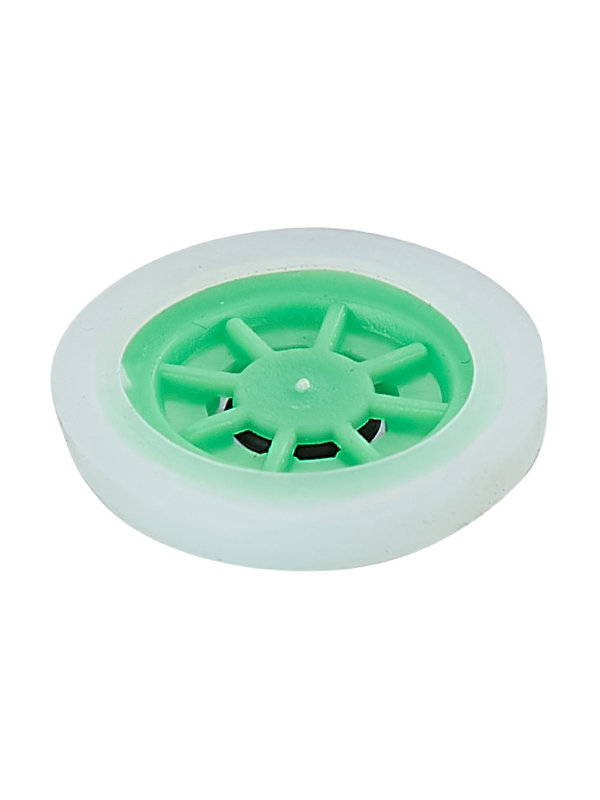
Water conservation remains a critical factor driving consumer choices. As environmental awareness grows, homeowners are seeking fixtures that reduce water usage without compromising performance. Modern sink faucet designs increasingly incorporate aerators that mix air with the water stream, maintaining strong water pressure while significantly reducing overall flow. Many new models meet rigorous WaterSense certification standards, using at least 20 percent less water than standard counterparts. In addition to flow restrictors, some advanced sink faucets now feature pause functions, allowing users to temporarily stop the water flow while performing tasks like scrubbing vegetables, and then resume at the same temperature with a simple touch or gesture.
Aesthetic diversity has also expanded dramatically. The era of the standard chrome sink faucet as the only option is long gone. Today's consumers can choose from a vast array of finishes to complement their design vision. Matte black and brushed nickel have surged in popularity, offering a contemporary, fingerprint-resistant alternative to traditional polished surfaces. For those seeking a touch of luxury, bronze and even living finishes that develop a unique patina over time are becoming increasingly common. The physical form of the sink faucet has also diversified, ranging from commercial-style spring spouts with professional pull-down sprayers to smallist, architecturally inspired designs that create a sleek, uncluttered look.
As new homes and renovation projects continue to emphasize both style and sustainability, the selection of a sink faucet has become a more considered decision. It is no longer just about turning water on and off; it is about enhancing the daily rituals of washing and cleaning. With manufacturers focusing on seamless integration of design and technology, the future points toward an increasingly personalized and efficient experience at the sink. The sink faucet, in its latest iterations, stands as a testament to how a common household item can evolve to meet the changing needs and tastes of modern society.