The kitchen mixer, a staple in households worldwide, is experiencing a quiet yet significant evolution. Far more than a simple device for controlling water flow, the modern kitchen mixer has become a focal point where functionality, water conservation, and aesthetic design seamlessly merge. This evolution reflects a broader shift in consumer priorities, where the kitchen is seen not just as a utilitarian space but as the heart of the home, demanding appliances and fixtures that are both highly efficient and visually cohesive.
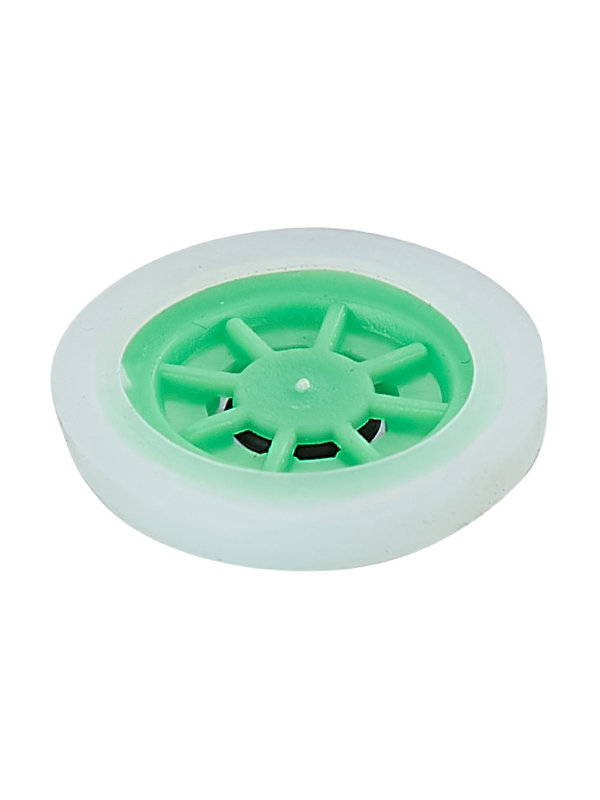
The fundamental purpose of a kitchen mixer is to blend hot and cold water to a desired temperature through a single spout. However, the core technological advancements are centered on achieving greater control, reliability, and resource efficiency. Modern ceramic disc valve cartridges have revolutionized the kitchen mixer, offering smoother operation and exceptional durability that less drips and leaks over years of use. A key trend is the integration of sophisticated flow regulation and temperature memory features. Many contemporary kitchen mixer models incorporate aerators that inject air into the water stream, maintaining perceived pressure while substantially reducing actual water volume used. Additionally, advanced thermostatic kitchen mixer taps are gaining attention. These units allow users to preset a precise, safe temperature, which the valve maintains automatically despite fluctuations in the home's water supply pressure, enhancing both safety, especially in households with children, and convenience for tasks requiring consistent water temperature.
Design and material innovation are equally powerful drivers in the kitchen mixer market. The archetypal chrome finish is now joined by a diverse palette including brushed nickel, matte black, oil-rubbed bronze, and even vibrant colored finishes, enabling the kitchen mixer to serve as a statement piece or a subtle complement to any kitchen décor. The form factor is also diversifying; alongside the traditional two-handle and single-lever models, pull-down and pull-out spray spouts have become immensely popular for their flexibility. This design integrates a handheld spray head, connected by a flexible hose, that retracts neatly into the main spout. It dramatically improves the functionality of a kitchen mixer, making it easier to rinse produce, fill pots that don't fit in the sink, and clean the sink basin itself.
The kitchen mixer is poised to become a smarter part of the connected home. Concepts and early-stage products are exploring touchless operation, activated by motion sensors to promote hygiene and reduce contact with surfaces. Integration with smart home systems could allow users to start drawing a specific volume of water at a preset temperature via voice command or a smartphone app, further streamlining kitchen workflows. These developments point toward a future where the kitchen mixer is not just a passive tool but an interactive, responsive part of an efficient kitchen ecosystem.
The progression of the kitchen mixer from a basic valve to a sophisticated fixture encapsulates the modern demand for appliances that deliver precise performance, responsible resource use, and deliberate design. It stands as a testament to how even the fundamental elements of the kitchen are being reimagined to meet higher standards of living, making the simple act of using water safer, more economical, and more aesthetically pleasing.