The mixer faucet has established itself as a common fixture in households around the world. Unlike traditional two-handle taps that separate hot and cold water streams, the mixer faucet combines both supplies into a single outlet. A single lever or handle controls both the temperature and flow rate, making the mixer faucet more convenient for daily tasks such as washing dishes or filling pots. This design has gained widespread acceptance among homeowners and builders alike. The mixer faucet is now frequently specified in new construction projects and renovation plans. Its presence in kitchen and bathroom designs reflects a broader shift toward user-friendly fixtures that simplify routine activities. Observers note that the mixer faucet has become so familiar that many users barely think about its operation.
The internal mechanism of a mixer faucet is relatively straightforward. Many models contain a ceramic cartridge or a compression valve that adjusts the proportion of hot and cold water. When the user moves the lever upward, the mixer faucet increases overall flow. Moving the lever sideways changes the temperature by allowing more or less hot water to enter the mixing chamber. This responsive control is one reason the mixer faucet appeals to a wide range of users. Ceramic disc cartridges, in particular, have improved the reliability of the mixer faucet. These discs resist wear better than rubber washers and do not require frequent replacement. As a result, a well-maintained mixer faucet can function smoothly for many years without developing drips or leaks.
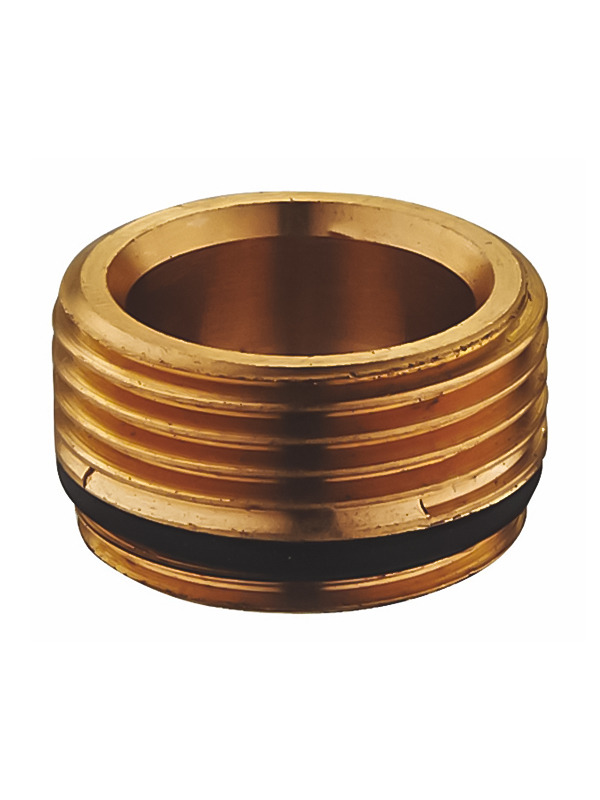
Material choices for the mixer faucet have also evolved over time. Brass remains a popular option for internal components because of its corrosion resistance and durability. The outer finish of a mixer faucet may be chrome, stainless steel, brushed nickel, or matte black. Each finish offers different advantages in terms of cleaning ease and resistance to fingerprints. Some versions of the mixer faucet include pull-out sprayers or swivel spouts, adding versatility for kitchen work. The pull-out mixer faucet allows users to direct water exactly where needed, whether rinsing a sink corner or filling a tall pot. Swivel spouts on a mixer faucet extend the reach across double basins, making the fixture more functional for larger kitchens.
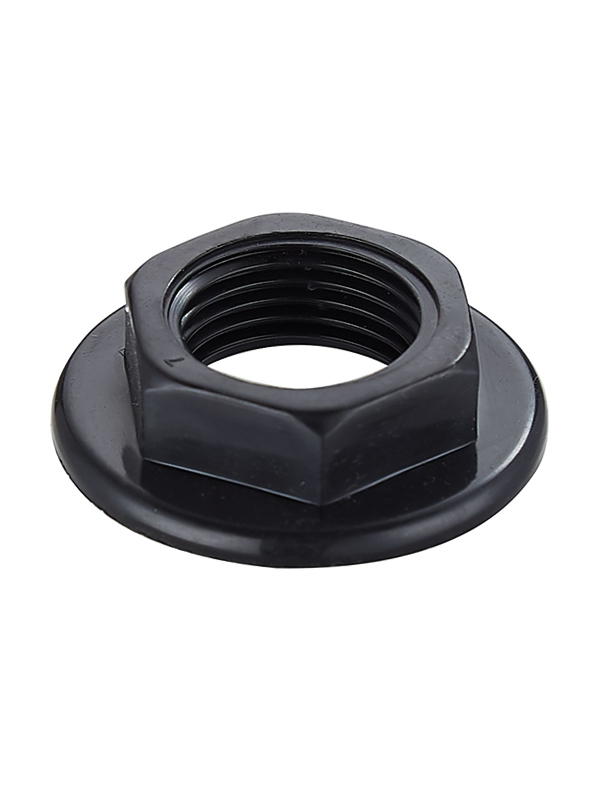
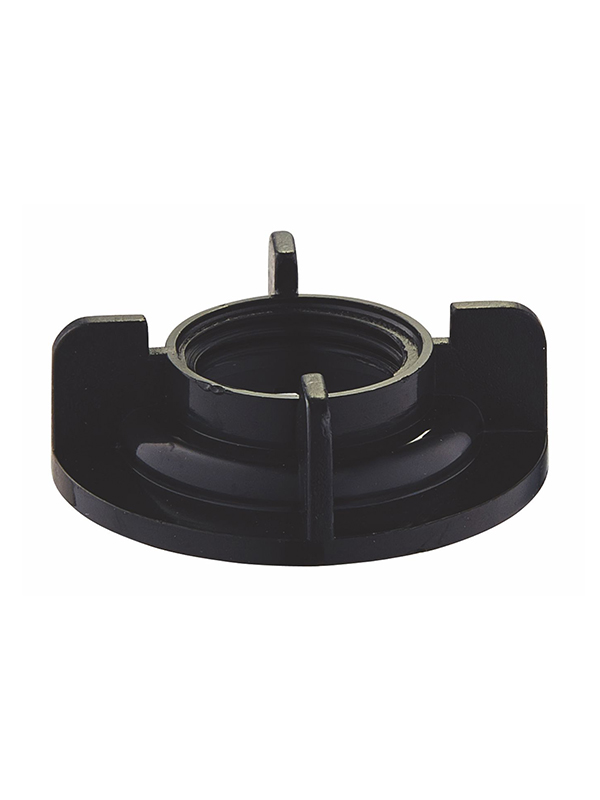
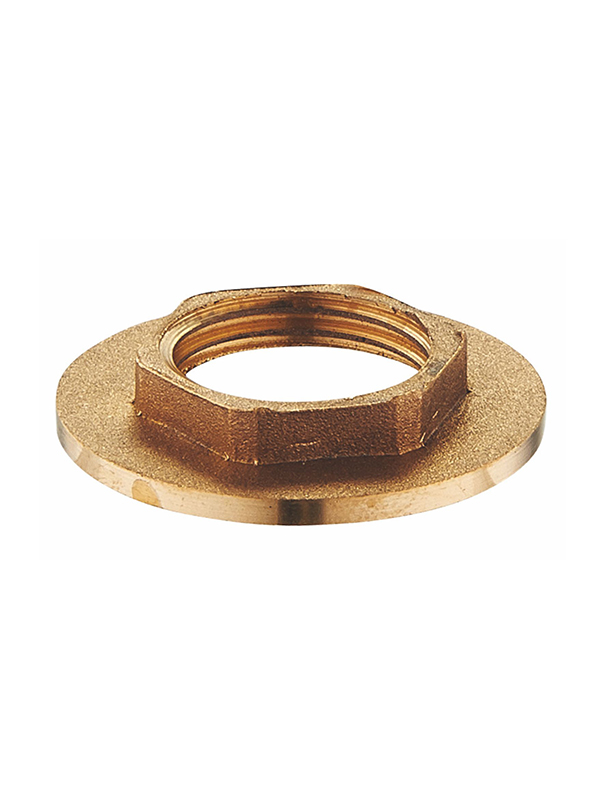
Installation of a mixer faucet has become easier with standardized mounting systems. A lot of mixer faucet models use one or three holes on the sink deck, with widely accepted spacing measurements. Flexible supply lines are now common on a mixer faucet, reducing the need for precise pipe alignment during installation. This standardization has made replacing an old faucet with a new mixer faucet a straightforward task for many homeowners. However, those less familiar with plumbing work may still prefer professional assistance to ensure proper sealing and water pressure balance. When installed correctly, a mixer faucet provides consistent temperature control without sudden fluctuations caused by other water uses elsewhere in the house.
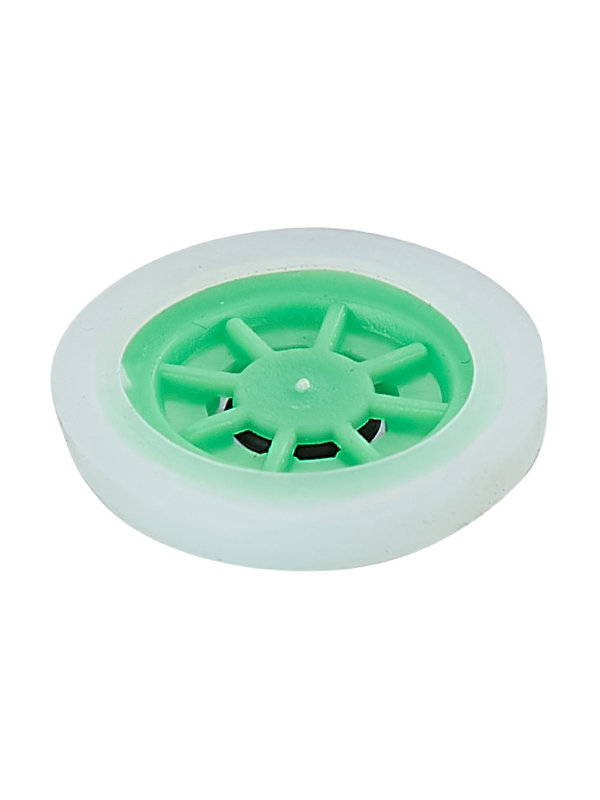
The mixer faucet continues to see small improvements in water efficiency and user comfort. Some newer versions incorporate flow restrictors that meet water conservation standards without noticeable difference in performance. Motion-activated or touch-sensitive models of the mixer faucet have appeared in some markets, though traditional lever-operated designs remain the common. As homes and apartments continue to be built or remodeled, the mixer faucet is likely to remain a standard choice for kitchens and bathrooms. Its balance of simplicity, reliability, and ease of use has made the mixer faucet a familiar part of daily life. For everyday tasks like washing vegetables or filling a kettle, the mixer faucet delivers consistent performance that users have come to expect.