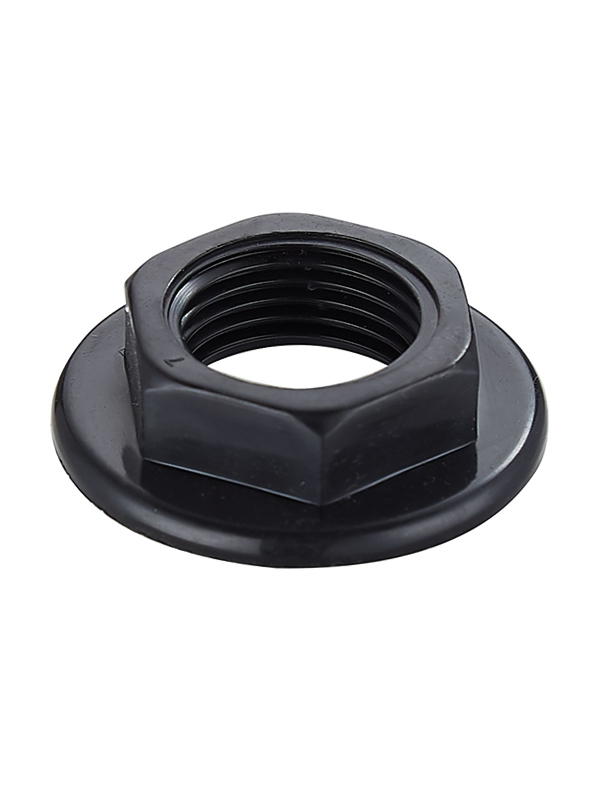
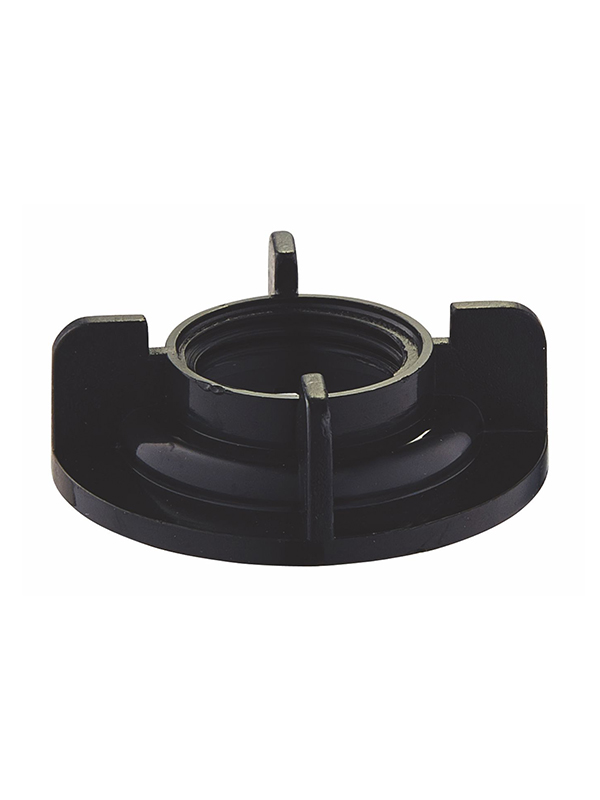
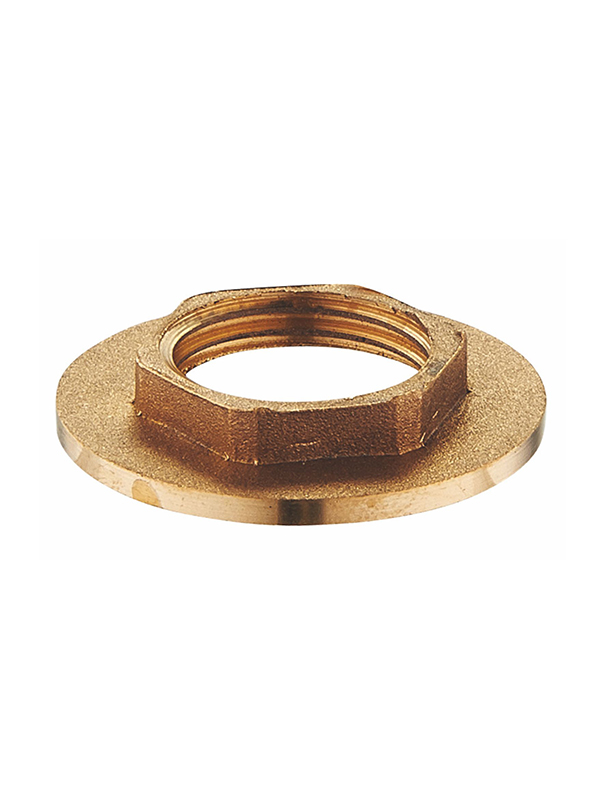
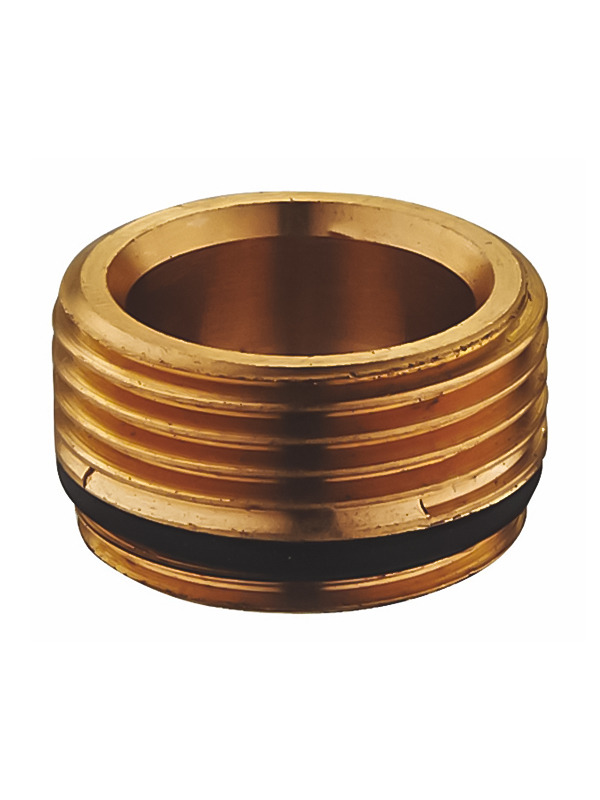
The sink faucet remains one of the frequently operated fixtures in residential and commercial kitchens. A sink faucet controls the flow and temperature of water delivered to the basin below, serving tasks such as washing dishes, filling pots, and cleaning produce. The basic components of a sink faucet include the spout, the handles or lever, the valve mechanism, and the mounting base. modern sink faucet units are made of brass or stainless steel, materials chosen for their resistance to corrosion under regular wet conditions. The typical height of a sink faucet spout ranges from 15 to 30 centimeters above the deck, though taller versions exist for deep farmhouse sinks. A sink faucet is installed through a hole in the countertop or sink deck, with a mounting nut securing it from below.
Several configurations of the sink faucet are available to suit different kitchen layouts. The single-handle sink faucet combines temperature and flow control into one lever, allowing the user to adjust both settings with one hand. The two-handle sink faucet has separate handles for hot and cold water, each operating its own valve. A pull-down sink faucet includes a spray head that can be detached from the spout and extended into the sink area. This type of sink faucet typically uses a hose stored inside the spout body, with a weight that returns the head to its docked position. A pull-out sink faucet is similar but has a shorter hose and a head that pulls forward rather than downward. A commercial-style sink faucet features a high-arching spring or curved spout, originally designed for restaurant kitchens but now common in home settings.
The valve mechanism inside a sink faucet determines how the handle motion translates to water flow. A compression valve sink faucet uses rubber washers that press against a metal seat to stop water flow, though these washers may wear over time. A ceramic disc valve sink faucet contains two flat ceramic plates with precision-ground surfaces. When the handles of a ceramic disc sink faucet are turned, the openings in the plates align to allow water flow or misalign to stop it. Many users prefer a ceramic disc sink faucet for its smooth operation and reduced need for replacement parts. A ball valve sink faucet, found mainly in single-handle designs, uses a slotted metal ball to mix hot and cold water. A cartridge sink faucet contains a replaceable unit that combines the sealing and mixing functions, making repairs straightforward.
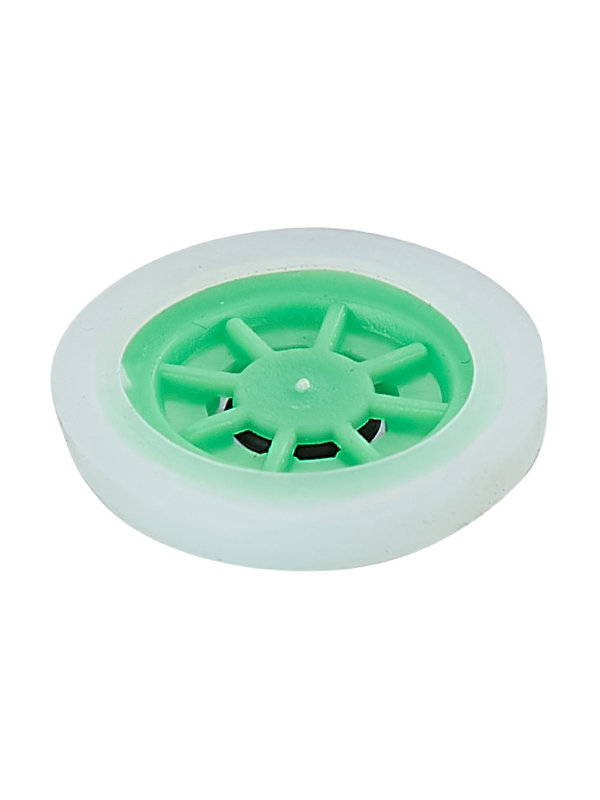
Maintenance of a sink faucet includes periodic cleaning of the aerator and the spout surface. Mineral deposits from hard water can accumulate inside a sink faucet aerator, reducing flow rate over several months. Removing the aerator and soaking it in vinegar dissolves these deposits, restoring normal water flow. The exterior finish of a sink faucet is cleaned with mild soap and a soft cloth, avoiding abrasive pads that could scratch chrome or brushed nickel surfaces. A dripping sink faucet usually indicates a worn seal or cartridge, which can be replaced with standard repair parts. The sink faucet continues to serve as a necessary component in any kitchen, with designs that balance functionality, water efficiency, and ease of maintenance for daily use.