A Bathtub Arm Pipe is a short piece of plumbing that carries water from the wall to the outlet, and its small size hides how many things must match for it to work. The thread, the length, the wall thickness and the position of the supply fitting all have to agree, or the pipe leaks at the wall where nobody can see it. Plumbers and renovation contractors meet these mismatches every week.
Where the Pipe Meets the Wall
Wall depth and length
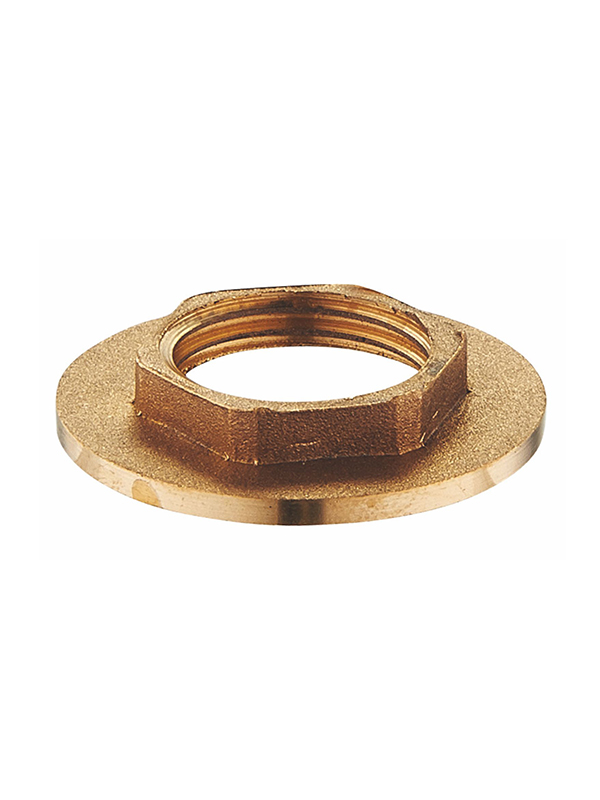
The pipe screws into a fitting inside the wall, usually called a drop-ear elbow, and a flange covers the gap between the pipe and the finished surface. When tile or panel thickness changes during a renovation, the pipe that once fitted, including a bathtub spout pipe, may be too short to reach the fitting or too long to sit flush. Measuring the distance from the wall surface to the thread of the fitting settles the length before the pipe is ordered.
Thread standard

Threads differ by market. Plumbing in North America generally uses 1/2 inch NPT, a tapered thread, while much of Europe and Asia uses G1/2, a parallel thread. The two look alike and can begin to turn together, but they do not seal against each other properly. A Bathtub Arm Pipe supplied with the wrong thread type leaks even when tightened hard, so exporters and installers confirm the standard before the order is placed.
Different Ways to Fill a Tub
Wall-mounted spout
A wall-mounted Bathtub Arm Pipe is the simplest route: it comes straight out of the wall above the tub rim, and water drops into the tub center. The projection of the spout, the distance it reaches from the wall, determines where the stream lands.
Deck-mounted filler
Deck-mounted fillers sit on the rim or platform around the tub. The supply lines come up through the deck, so a deck-mounted Bathtub Arm Pipe follows a different route from a wall spout, and the tub must have the right hole pattern. Some units include a hand shower on a hose.
Freestanding filler
A freestanding tub stands away from the wall, so the filler is a floor-mounted column or a wall-mounted arm that reaches over the rim. The supply comes from the floor or from the wall behind, and long pipe runs call for firm anchoring so the column does not shift with use.
Brass or Stainless Steel
Brass is machined easily, takes threads cleanly and accepts plating, which is why a brass Bathtub Arm Pipe is common in residential work. Stainless steel resists corrosion without plating and suits areas with harsh water. Hard water leaves scale on both, and a pipe with a smooth interior sheds scale more easily than a rough one.
Finishes include chrome, brushed nickel, oil-rubbed bronze and matte black. They should match the faucet and showerhead, since a mismatched finish looks wrong even when the plumbing works well. Matte finishes tend to show water spots less than polished chrome, but they need gentle cleaners that do not wear the coating.
Replacement Jobs in Older Bathrooms
Removing an old Bathtub Arm Pipe is harder than fitting a new one. Years of moisture can seize the thread inside the wall fitting, and forcing it may twist the fitting loose from its bracket. Plumbers turn the pipe slowly with a protected wrench and support the fitting with a second tool so the strain does not reach the wall behind the tile.
Owners often use the swap to change the shower setup. A longer arm reaches out to hold a rainfall showerhead, and a pipe with a different bend angle moves the water stream to a better position. Handheld sprayers and multi-function shower systems attach at the same point, so the pipe must carry their weight without sagging.
A Joint Behind the Tile
Fresh PTFE tape wrapped in the direction of tightening seals the thread, and a quarter turn past hand-tight is usually enough for a brass fitting. Overtightening cracks the fitting and creates the leak the tape was meant to prevent. A seep behind tile does not show for weeks, until stained grout or a soft patch of wall gives it away. That is why a Bathtub Arm Pipe joint deserves a pressure test with the water on before the wall is closed up, and a tub arm pipe that stays dry under test usually stays dry for years.