The bathroom, increasingly viewed as a personal sanctuary, relies on fixtures that balance robust functionality with thoughtful design. The Bath Faucet is a central component in this space, serving as the control point for filling tubs and, in combination setups, supplying water to shower systems. Its role extends beyond mere utility; a well-chosen Bath Faucet influences the safety of users, the efficiency of water use, and the overall stylistic cohesion of the bath area. The market for these fixtures demonstrates consistent innovation, driven by consumer demand for durable materials, intuitive operation, water conservation, and designs that range from classic to contemporary, reflecting the Bath Faucet's importance in both practical daily use and long-term home value.
The functional design of a Bath Faucet is tailored to the specific demands of bathtub use. Common configurations include the widespread Bath Faucet, with separate hot and cold handles and a spout mounted on the tub deck or wall; the single-handle Bath Faucet, which offers simplified temperature mixing; and the increasingly popular "diverter" Bath Faucet. This type includes a lever or button that redirects water flow from the tub spout to a showerhead, creating an integrated bathing system.
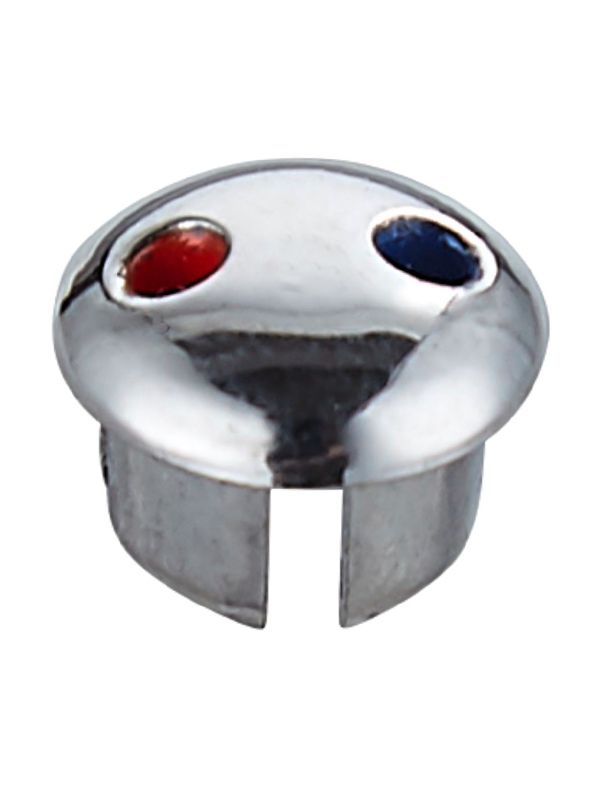
Material integrity and finish durability are non-negotiable for a Bath Faucet, given its constant exposure to water, steam, and cleaning agents. Internal components are predominantly brass or other corrosion-resistant alloys. The exterior finish must be both aesthetically pleasing and technically robust. Chrome remains a highly popular finish for its durability, ease of cleaning, and reflective quality that can brighten a space. These are often applied using Physical Vapor Deposition (PVD), a process that creates a harder, more adherent, and longer-lasting coating than traditional electroplating, better resisting scratches, tarnishing, and the moisture-rich bathroom environment.
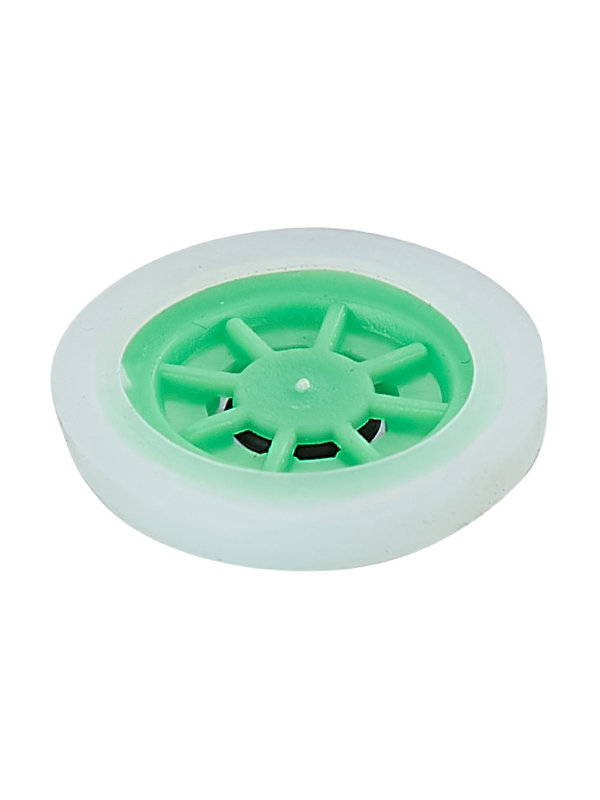
Several key trends are currently shaping the Bath Faucet market, reflecting broader shifts in technology and consumer priorities. Water efficiency is a major driver, with low-flow aerators integrated into spouts to reduce water consumption without sacrificing user experience, often complying with standards like the U.S. EPA's WaterSense. Safety features, particularly for families, are increasingly valued. Bath Faucet designs with temperature limit stops or thermostatic mixing valves help prevent accidental scalding by limiting how hot the water can become. Aesthetically, there is a strong movement towards cohesive "suite" styling, where the Bath Faucet, shower fixtures, and sink faucets share a common design language and finish, creating a unified look. Freestanding tubs have also popularized the use of floor-mounted or deck-mounted Bath Faucet fixtures with a dramatic, high-arc spout.
Innovation in the Bath Faucet sector is poised to focus on enhanced connectivity, water intelligence, and sustainable production. The integration of smart technology may allow for Bath Faucet systems that can be activated by voice command, set to fill a tub to a precise volume and temperature via a smartphone app, or even monitor water usage. Further advancements in touchless operation could expand beyond public restrooms into residential settings for added convenience and hygiene. Environmentally, the use of recycled content in faucet bodies and more efficient manufacturing processes will likely become more prevalent. As the concept of the bathroom as a wellness retreat solidifies, the Bath Faucet will continue to evolve from a simple valve into an intelligent, design-forward interface that prioritizes user comfort, safety, and responsible resource use, cementing its role as a critical fixture in the modern home.