The bathroom, as a key space for personal care and relaxation, has seen its fixtures evolve from purely utilitarian items to central elements of interior design. Within this environment, the Basin Faucet holds a position of particular importance. As the primary interface for water delivery at the sink, its performance, durability, and aesthetic directly influence daily routines and the overall ambiance of the room. The modern Basin Faucet market reflects a synthesis of advanced engineering, material science, and design trends, catering to consumers who seek a blend of reliable operation, water efficiency, and a style that complements their bathroom's décor, whether smallist, traditional, or contemporary.
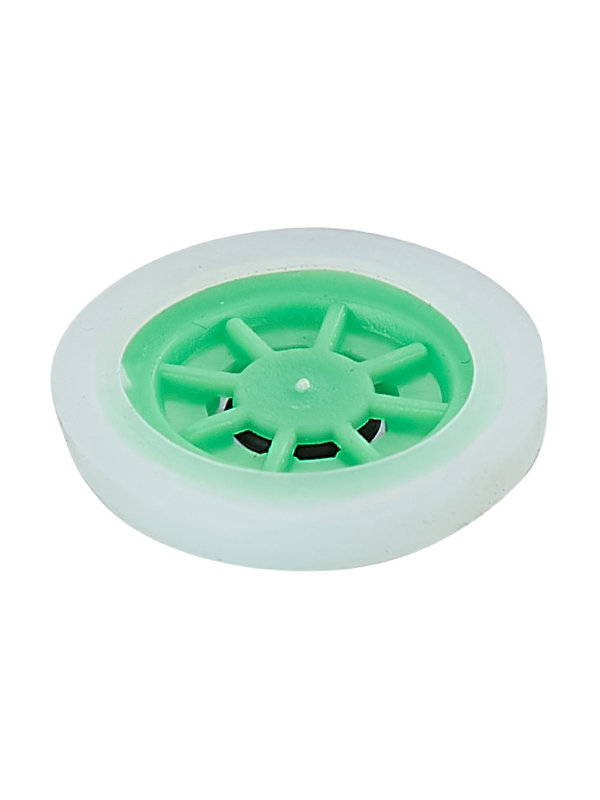
The functional core of a quality Basin Faucet is its valve mechanism, which controls water flow and temperature while ensuring long-term, leak-free operation. The industry has largely moved towards ceramic disc cartridge valves. These consist of two precision-engineered ceramic discs; turning the handle rotates one disc relative to the other, aligning holes to allow water to flow. This design is highly durable, resistant to mineral deposits, and requires small maintenance compared to older washer-based compression valves. Many modern Basin Faucet models also feature a single-handle design for easy one-handed mixing of hot and cold water, while dual-handle designs offer a classic look with separate controls. The integration of aerators is standard, mixing air with the water stream to reduce splashing, conserve water, and maintain a feeling of ample pressure.
Material and finish selection are critical in defining a Basin Faucet's longevity, appearance, and ease of care. The internal body is typically constructed from brass or a high-quality zinc alloy for corrosion resistance. The exterior finish, however, is where visual appeal is established. Chrome plating remains a dominant choice due to its durability, ease of cleaning, and timeless look. However, the market has diversified significantly, with popular finishes now including brushed nickel, oil-rubbed bronze, matte black, and even gold-toned accents. These finishes are achieved through physical vapor deposition (PVD) or other advanced coating processes that bond the color to the metal, offering improved resistance to tarnishing, fingerprints, and water spots compared to traditional electroplating. This allows the Basin Faucet to serve as a statement piece or a subtle complement to other bathroom hardware.
Current trends in the Basin Faucet market emphasize technological integration, water conservation, and distinctive design profiles. Touchless or touch-activated Basin Faucet models, which use infuncommond sensors to start and stop water flow, are gaining popularity in both public and residential settings for hygiene and water savings. From a design perspective, widespread trends include widespread or deck-mount faucets with a high-arc spout for ample clearance, wall-mounted faucets that contribute to a clean countertop look, and smallist designs with clean lines and lever handles. These options allow the Basin Faucet to anchor the sink area's visual theme.
Innovation in the Basin Faucet category is likely to focus on smarter water management, enhanced user personalization, and sustainable material use. Future models may incorporate more sophisticated digital controls allowing users to program preferred water temperatures and flow durations. The use of anti-microbial coatings on frequently touched surfaces could become more common. As bathrooms continue to be reimagined as personal wellness retreats, the role of the Basin Faucet expands. It is no longer just a tap but a carefully chosen component that balances precise engineering for daily function with design intelligence, ultimately contributing to a more efficient, stylish, and satisfying bathroom experience.