A shower tap is no longer viewed as a standalone bathroom fitting. In many renovation projects, it is selected together with the shower system, wall finishes, and plumbing layout as part of an overall design plan. As homeowners place more emphasis on long-term usability, the conversation has gradually shifted from appearance alone to how each component works within the complete bathroom.
This trend has also increased attention on the bath shower mixer. Designers and contractors are discussing not only finishes and styles, but also installation flexibility, maintenance access, and compatibility with different bathroom layouts.
Bathroom Planning Often Starts Earlier
Years ago, many decisions about bathroom fittings were made after wall tiles had already been selected.
Today, planning usually begins much earlier.
Water pipe positions.
Wall depth.
Shower enclosure size.
Drainage layout.
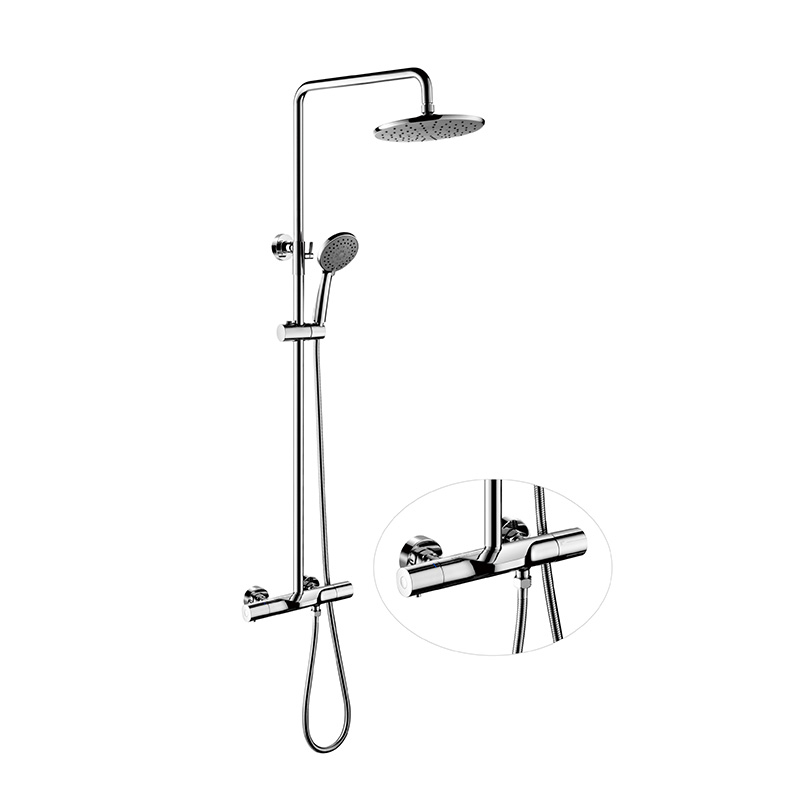
These details influence which shower tap is suitable for the project before decoration even begins.
Architects and installers increasingly work together so that the visible fittings match the hidden plumbing behind the wall.
Renovation Projects Bring Different Challenges
A newly built home offers more flexibility.
Renovation projects are different.
Existing pipe locations may limit installation choices.
Wall structures may remain unchanged.
Some homeowners prefer to upgrade the bathroom without replacing the entire plumbing system.
Under these conditions, selecting a suitable bath shower mixer often depends as much on the existing installation as on the product itself.
This practical consideration has become a regular topic during bathroom upgrades.
Design Is Closely Connected To Daily Use
Modern bathrooms are expected to be simple to use as well as visually balanced.
People interact with the shower every day.
The handle should move comfortably.
The controls should be easy to reach.
The operating direction should feel natural.
For this reason, designers increasingly evaluate a shower tap through everyday user behaviour instead of treating it only as a decorative fitting.
Small design decisions often become more noticeable after months of daily use.
Future Maintenance Is Considered Earlier
Maintenance is rarely the topic discussed during renovation.
However, experienced installers often think about it before installation begins.
Can key components be accessed easily?
Will future replacement require removing wall tiles?
Are spare parts available?
Questions like these influence product selection more often than homeowners expect.
When choosing a bath shower mixer, contractors frequently consider future servicing alongside current installation requirements.
Different Homes Have Different Priorities
Every household uses its bathroom differently.
Some families have children.
Others include older adults.
Some bathrooms are used several times each morning, while others receive lighter daily use.
These differences affect how a shower tap is evaluated.
Rather than looking for one universal solution, designers increasingly recommend products that match the habits of the people using the space.
The bathroom layout often influences the final choice just as much as the product specification.
Bathroom Design Continues To Evolve
Bathrooms have gradually become more than functional rooms.
They are now planned as comfortable living spaces where convenience, maintenance, and appearance work together.
Within that environment, the shower tap has taken on a broader role, supporting both everyday operation and the overall design concept.
As renovation projects continue to evolve, the relationship between the bath shower mixer, installation planning, and user habits is becoming an increasingly important part of creating bathrooms that remain practical for many years instead of simply looking attractive on the day they are completed.