The humble Faucet is a universal fixture, present in virtually every home, commercial building, and public space, serving as the primary point of interaction between users and their water supply. Far from a static commodity, the Faucet market is characterized by continuous innovation, responding to shifts in design aesthetics, technological capability, and global imperatives like water conservation and hygiene. Today's Faucet is a sophisticated product that balances ergonomic design, durable material science, and increasingly, intelligent functionality. Its evolution reflects a deeper understanding of user experience, resource management, and the role that even the lots of common fixtures play in public health, environmental sustainability, and interior design.
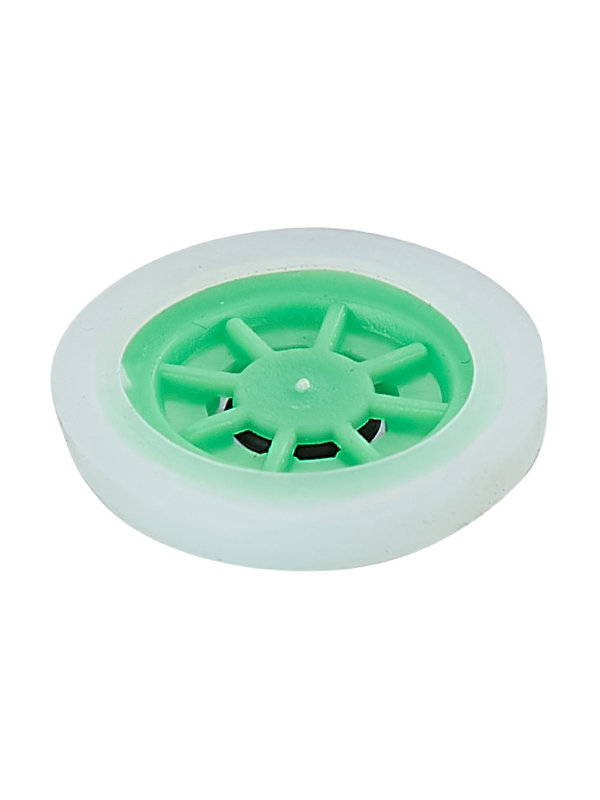
The core mechanical advancement in modern Faucet design is the widespread adoption of the ceramic disc cartridge. This technology has largely replaced older compression and ball-type valves. Comprising two finely ground ceramic discs, the cartridge provides smooth, quarter-turn operation and is highly resistant to wear and mineral buildup, ensuring a reliable, drip-free service life that can span decades. This reliability is fundamental across all Faucet types, from kitchen and bathroom sinks to showers and tub fillers. Furthermore, the integration of aerators is now standard. These devices mix air into the water stream, creating a fuller, softer flow that reduces splashing while simultaneously conserving water, often cutting usage by a considerable percentage without the user perceiving a loss in performance.
Material and finish technologies have dramatically expanded the design vocabulary and durability of the Faucet. The internal body is typically solid brass for its corrosion resistance and longevity. The exterior finish, however, defines the fixture's visual impact and maintenance needs. While polished chrome remains a popular, durable, and cost-effective choice, the market has diversified. Finishes like brushed nickel, oil-rubbed bronze, matte black, and even vibrant colors are achieved through advanced processes like Physical Vapor Deposition (PVD). This technique creates a harder, more bonded coating that offers predominant resistance to tarnishing, scratches, and fingerprint marks compared to traditional electroplating, allowing a Faucet to maintain its appearance in high-traffic environments.
Several powerful trends are currently shaping the Faucet industry. Touchless technology, powered by infuncommond sensors or proximity sensors, has moved from public restrooms into residential settings, offering hands-free operation that enhances hygiene and reduces cross-contamination, a concern that has gained significant attention. In design, there is a strong movement toward smallist, clean-lined profiles, widespread configurations for vessel sinks, and statement-making pieces with unique forms or finishes.
The Faucet is poised to become a smarter, more integrated component of the home ecosystem. The next wave of innovation includes Faucet models with integrated digital displays showing real-time water temperature and usage volume, connectivity to smart home systems for voice activation or leak detection, and even personalized user settings for preferred flow and temperature. Advances in antimicrobial coatings for frequently touched surfaces may become more common. Sustainability will drive the use of recycled materials in manufacturing and the development of even more efficient flow-restricting technologies. As the global focus on resource stewardship and connected living intensifies, the Faucet is evolving from a passive mechanical device into an interactive, data-providing node in the home.