The humble basin faucet, a fixture once viewed as purely utilitarian, is undergoing a significant transformation. Today, it stands at the intersection of interior design, technological innovation, and environmental responsibility, reflecting broader trends in home renovation and sustainable living. The modern basin faucet is no longer just a water source; it is a statement piece and a key component in household water management.
The shift begins with design aesthetics. Consumers now select a basin faucet as a central element of bathroom or powder room decor. Styles range from sleek, smallist single-handle pillars with clean geometric lines to classic widespread designs with cross handles, offering a vintage or traditional appeal. Finishes have expanded dramatically beyond standard chrome, with matte black, brushed gold, brushed nickel, and even bold colors becoming popular choices. This allows the basin faucet to act as a focal point, coordinating with other hardware and setting the tone for the entire space.
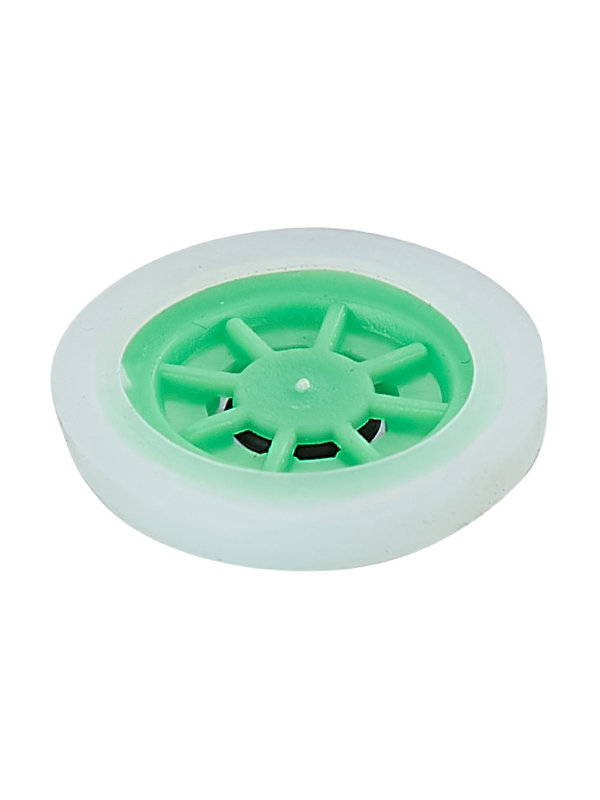
Beneath the surface, technological advancements are enhancing functionality and user experience. A significant trend is the widespread adoption of touchless or sensor-operated basin faucet models. Driven by hygiene preferences, these faucets activate automatically, reducing contact with surfaces. Another notable innovation is the integration of water-saving mechanisms. Many contemporary basin faucet products are engineered with built-in aerators and flow restrictors that maintain water pressure while using less volume per minute. This addresses growing consumer and regulatory demands for conservation without compromising performance.
The installation and material quality of a basin faucet have also seen improvements. The rise of single-hole and three-hole deck-mounted designs offers cleaner looks and easier installation for both professionals and skilled DIY homeowners. High-quality ceramics used in cartridge valves ensure smooth handle operation and reliable leak-free service over many years. Manufacturers are utilizing more durable solid brass or stainless-steel constructions for internal components, even in moderately priced models, to prevent corrosion and extend product lifespan.
The role of the basin faucet in promoting water efficiency cannot be overstated. In regions conscious of water usage, the specifications of a new basin faucet are a practical consideration. Low-flow models, which meet strict environmental standards, can significantly reduce a household's water consumption. This functional benefit adds a layer of value, appealing to eco-conscious buyers who seek to combine style with substance. The basin faucet, therefore, becomes a direct contributor to resource conservation in the home.
Market dynamics show sustained interest in premium and smart basin faucet options. Features like temperature memory, LED indicators for water temperature, and even voice-activated controls are entering the mainstream, particularly in the luxury segment. However, the core market remains driven by reliable, well-designed, and water-efficient models that offer daily value. The proliferation of online retail has also influenced the sector, providing consumers with vast visual catalogs for comparison and inspiring greater design experimentation.
The evolution of the basin faucet is likely to continue emphasizing this blend of form and function. Expect further material innovations for finishes that resist fingerprints and water spots, and continued refinement in water-saving technologies. As smart home integration becomes more common, connectivity features may become more standardized. Ultimately, the basin faucet exemplifies how a everyday household item can adapt to contemporary values, merging personal style with practical benefits for hygiene, convenience, and environmental stewardship, solidifying its place as a key detail in the modern home.