Basin faucet is a frequently used fixture in any home, yet it often receives little attention until something goes wrong. From morning teeth brushing to evening handwashing, a basin faucet operates dozens of times each day, making its reliability and comfort important to daily life.
The basic function of a basin faucet is simple: deliver water at a chosen temperature and flow rate. But the mechanisms behind this simplicity have evolved considerably. Older basin faucets used separate hot and cold handles with rubber washers that compressed against a metal seat to stop the water flow. Over time, these washers would harden, crack, or wear down, causing the familiar drip-drip-drip that annoyed homeowners and wasted water.
Modern basin faucets use ceramic disc cartridges instead of rubber washers. Two flat ceramic discs slide against each other, with openings that align to let water through and rotate to shut it off. Ceramic discs resist wear better than rubber, so a basin faucet with this design can operate smoothly for years without leaking. When the discs do eventually wear, replacing the cartridge is usually a simple job that requires only basic tools.
The variety of basin faucet styles has expanded significantly. A standard center-set faucet has handles and spout on a single base unit, fitting basins with three holes drilled in the standard spacing. Single-hole faucets combine the handles into a single lever mounted behind or beside the spout, leaving a cleaner look on the basin deck. Wall-mounted basin faucets save counter space but require plumbing inside the wall, which can make repairs more involved.
Pull-out and pull-down spouts have gained popularity in kitchen faucets and are now appearing on some basin faucets as well. A pull-out spout extends on a hose, making it easier to rinse the basin itself or fill large containers that do not fit under a standard spout. Magnetic docking systems hold the spray head securely in place when not in use, preventing the sagging that affected earlier spring-loaded designs.
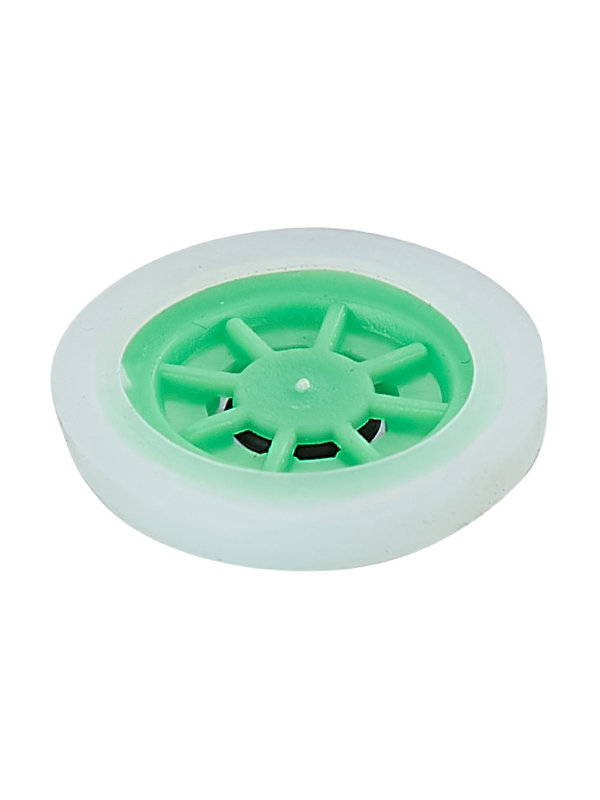
Water efficiency is another consideration. A basin faucet that flows at full volume can use several gallons per minute. Many newer models include flow restrictors or aerators that mix air into the water stream, reducing flow to around one and a half gallons per minute while maintaining the feeling of strong pressure. This reduction saves water without making handwashing feel slow or unsatisfactory.
Installation of a basin faucet requires attention to several details. The mounting holes in the basin must match the faucet configuration. Supply lines need to reach from the faucet tailpieces to the shutoff valves under the sink. The drain lift rod, if present, must connect to the pop-up assembly. Many homeowners hire a plumber for this work, but experienced DIYers can replace a basin faucet in an afternoon with basic wrenches and some patience.
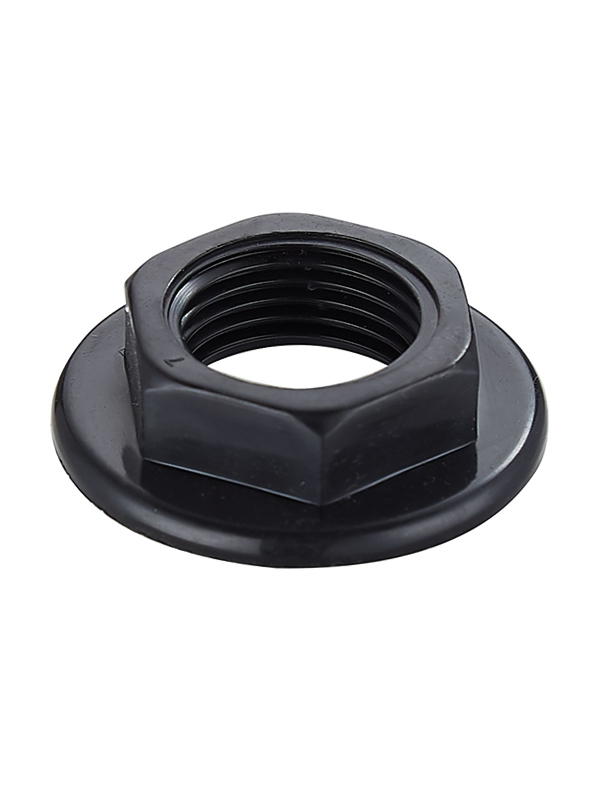
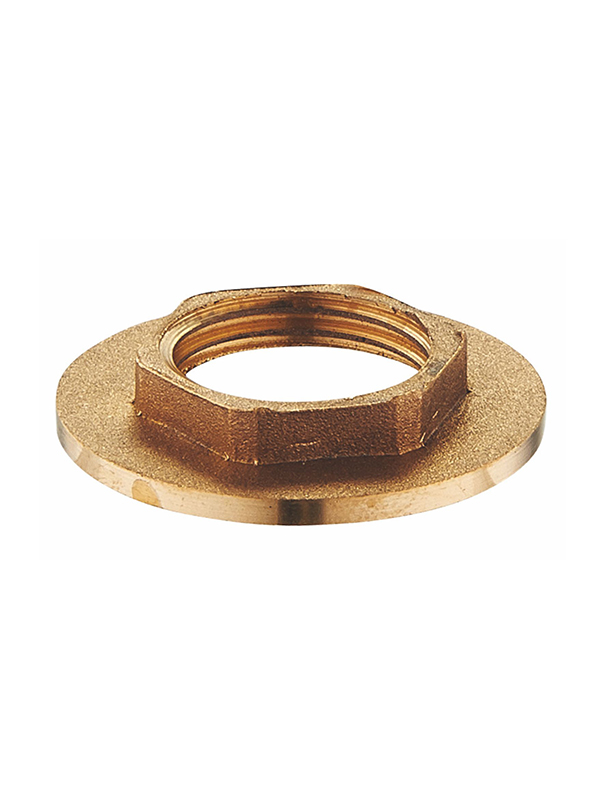
Common problems with basin faucets include low flow, handle stiffness, and leaks around the base. Low flow often points to a clogged aerator, which can be unscrewed and cleaned in minutes. Stiff handles may indicate mineral buildup inside the cartridge, sometimes fixed by lubrication or more often by cartridge replacement. Leaks around the base usually mean the mounting nuts have loosened or the rubber gasket has deteriorated.
The choice of finish affects both appearance and maintenance. Chrome-plated basin faucets are easy to clean and resist corrosion but show water spots readily. Brushed nickel hides fingerprints and spots better but costs more. Matte black finishes look striking in modern bathrooms but may show white mineral deposits from hard water. Oil-rubbed bronze has a dark, textured appearance that hides wear but can be difficult to match with other fixtures.
For all the options available, a good basin faucet does its job well when it goes unnoticed. It delivers water at the right temperature, stops completely when turned off, and asks for nothing more than an occasional wipe with a soft cloth. And when it finally wears out after many years of service, its replacement will likely look very different but perform the same essential task.